Build logistics software that improves visibility, coordination, and execution
BitBytes helps logistics and supply chain teams design, build, and modernize software for dispatch, fulfillment, shipment tracking, partner workflows, and internal operations. Built for teams replacing brittle tools, modernizing legacy platforms, or connecting fragmented systems into a reliable operating layer.










What logistics and supply chain software development helps you improve
Better visibility across shipments, orders, inventory movement, and exceptions
Fewer manual handoffs between internal teams, partners, carriers, and customer-facing workflows
More reliable system coordination through stronger integrations and cleaner data flow
Better usability for operations teams who need fast, practical tools instead of workarounds
More scalable software foundations for logistics products, internal platforms, and operational reporting
Delivery outcomes
Where the work shows up
How BitBytes has already worked in logistics and supply chain
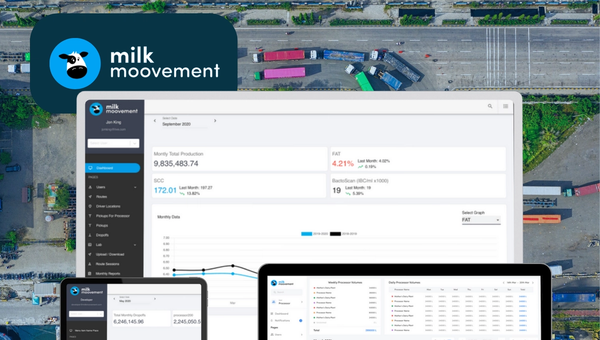
BitBytes can point to real industry-relevant work through Milk Moovement - showing experience with operations-heavy products, workflow complexity, and software where reliability and coordination matter.
The teams this page is built for
This service is best suited for teams dealing with real workflow complexity, disconnected systems, or software that has become too brittle to support growth cleanly.
Quick fit check
Does your situation match?
Logistics product teams
Teams building or improving logistics software that need stronger workflow design and a more stable technical base.
Supply chain software companies
Companies with existing products that need new capabilities, cleaner integrations, or ongoing development support.
Operations-heavy startups and scaleups
Teams where spreadsheets and patched-together tools no longer hold up as volumes and partner relationships grow.
Internal digital transformation teams
Teams improving internal operations software, reporting layers, dispatch tools, or workflow systems behind the scenes.
Companies modernizing legacy logistics platforms
Businesses improving architecture, UX, and integration reliability without forcing a full rebuild on day one.
Businesses replacing fragmented operational workflows
Organizations reducing tool sprawl and manual handoffs to create a more dependable operating layer.
Why this work becomes urgent for logistics and supply chain teams
The trigger is usually not abstract innovation pressure. It is operational strain. Teams invest when workflow pain, growth, and system complexity start affecting execution.
Growth makes manual coordination too expensive
What worked with low volume often breaks once orders, routes, locations, or partner relationships expand. Manual follow-ups and spreadsheet-based coordination stop scaling cleanly.
Visibility gaps start affecting service quality
When teams cannot see shipment status, exceptions, fulfillment progress, or inventory movement clearly, decisions slow down and issues stay unresolved longer than they should.
Existing systems stop working well together
As tools accumulate, ERP, WMS, TMS, reporting, and partner systems often become loosely connected at best. That creates duplicate work, inconsistent data, and brittle workflows.
Legacy platforms slow down the business
Older tools often create friction for both operations teams and product teams. The result is slower iteration, weaker usability, higher maintenance cost, and a lower ceiling for improvement.
Common logistics and supply chain software challenges this work helps address
The goal is not to describe generic business pain. It is to show the kinds of software and workflow issues that often block execution in this industry.
Fragmented operational data across too many systems
Teams often deal with orders, shipment events, inventory records, exceptions, and partner updates spread across disconnected tools, making it hard to trust what is current.
Weak shipment, order, or fulfillment visibility
When status information is delayed, incomplete, or difficult to interpret, operations teams spend more time chasing updates than acting on them.
Manual dispatch and coordination workflows
Many teams still rely on human handoffs for scheduling, routing, updates, approvals, and exception management, which introduces delays and inconsistency.
Brittle integrations between core systems
ERP, WMS, TMS, partner APIs, internal tools, and reporting layers often connect imperfectly, creating sync failures, duplicate data, and operational blind spots.
Legacy internal tools that operations teams resist using
A tool can exist and still fail operationally if it is slow, confusing, or built without the workflow realities of dispatch, fulfillment, or exception handling in mind.
Weak reporting and slow exception handling
When reporting is delayed or exceptions are hidden inside manual workflows, leaders lose the visibility needed to respond quickly and improve the system over time.
These are the kinds of challenges where a practical software partner can make the biggest difference for logistics and supply chain teams.
The types of logistics and supply chain software BitBytes can help you build
This work can take the form of a new product, a workflow layer, a modernization effort, or targeted improvements to an existing system.
Transportation and dispatch tools
Applications that help teams manage routing, scheduling, assignment logic, status updates, and the operational flow behind transportation work.
Warehouse and fulfillment systems
Software that supports picking, packing, stock movement, order readiness, fulfillment visibility, and the internal workflows tied to warehouse execution.
Shipment visibility and tracking platforms
Interfaces and data layers that bring shipment progress, milestone tracking, delays, and exceptions into a clearer view for internal teams or customers.
Partner, vendor, and carrier portals
Portals that make it easier for external stakeholders to exchange updates, manage shared workflows, and interact with the platform in a controlled way.
Operations dashboards and control layers
Centralized views that help teams monitor KPIs, exceptions, queue health, workflow status, and business activity without relying on scattered reports.
Internal workflow tools
Practical systems for approvals, handoffs, coordination, data correction, and day-to-day operational tasks that often live outside core customer-facing products.
Customer-facing logistics products
Web or mobile products that help customers place orders, track movement, manage requests, or interact with logistics workflows more directly.
Modernization and extension of existing platforms
Targeted work to improve architecture, performance, maintainability, UX, integrations, or reporting without forcing an unnecessary full rebuild.
How BitBytes approaches logistics and supply chain software development
The service is designed to turn operational complexity into software that is easier to use, easier to maintain, and better aligned with real workflows.
Operations-first product design
The first step is understanding how the work actually moves: who uses the system, where handoffs break, which exceptions matter, and what decisions the product needs to support.
Custom platform development
BitBytes helps design and build the software layers that matter most, whether that means a new logistics product, a partner-facing portal, an internal operations system, or a workflow-specific application.
Platform modernization
This approach supports teams that already have software in place but need better structure, better performance, a cleaner interface, or a more reliable technical foundation.
Ongoing iteration and support
The goal is not just launch. It is a software foundation that can keep improving as operations evolve, integrations expand, and product needs become more sophisticated.
Why integrations and data flow matter so much in logistics software
Logistics software rarely succeeds as a standalone interface. It depends on reliable system coordination and data that moves between operational layers without creating confusion.
Operations Hub
System connections across the supply chain
ERP, WMS, and TMS connectivity
Connecting the product to core business systems so order data, inventory, and operational records stay aligned.
Carrier, shipping, telematics, or map integrations
Third-party systems for movement updates, route info, geolocation, and delivery-related events.
Inventory, order, and fulfillment synchronization
Reducing mismatches between what the platform shows, what the warehouse does, and what operations teams believe.
Customer, vendor, and partner system coordination
Supporting external relationships through portal design, access control, and partner communication.
Analytics, reporting, and event visibility
Making operational information visible enough to support decisions and surface exceptions.
What delivery usually looks like from discovery to iteration
A good process should reduce uncertainty, not add jargon. The steps below reflect a practical path from workflow understanding to launch and improvement.
Define the workflow, users, and business constraints
The first step is clarifying what the system needs to support, who depends on it, where the current friction lives, and what constraints shape the solution.
Audit current systems and data flow
This helps map integrations, identify system dependencies, understand reporting needs, and surface where the current workflow breaks down.
Shape the right product or platform scope
Once the workflow and system landscape are clear, the next step is deciding what should be built now, what should be phased, and how to reduce unnecessary complexity.
Design the interface, roles, and operational logic
This stage focuses on turning process requirements into usable screens, permissions, states, actions, and workflows that make sense for real users.
Build the core product, integrations, and reporting layers
Development focuses on the parts that drive real value: the main workflow layer, the supporting integrations, the data movement, and the visibility teams need to act with confidence.
Launch carefully and validate against real operations
A practical rollout checks that the software works in the context it was built for, not just in a clean demo environment.
Improve based on usage, exceptions, and product priorities
After launch, the work often shifts toward refinement, new capabilities, better reporting, and changes that reflect how the operation actually uses the system.
Delivery Outcomes
What you get from the logistics delivery process
The operating environments where this kind of work is often most relevant
BitBytes does not need to claim every possible logistics niche to make this page useful. The better approach is to show where this work tends to make the most sense.
Transportation and logistics providers
Relevant when software needs to support movement, visibility, dispatch, operational coordination, or customer-facing shipment interactions.
Warehousing and distribution teams
A strong fit when internal systems, reporting layers, fulfillment tools, or inventory-related workflows need improvement or modernization.
Ecommerce fulfillment operations
Useful when order flow, fulfillment coordination, visibility, and internal tooling become too complex for basic systems or patchwork processes.
Supply chain software products
A good fit for companies building SaaS products or workflow platforms for logistics, fulfillment, coordination, tracking, or supply chain operations.
Cold-chain or traceability-sensitive workflows
Relevant where visibility, reliability, record quality, and operational clarity matter more because exceptions and inconsistency carry higher business risk.
Manufacturing-linked supply chain operations
Useful when software needs to connect upstream and downstream workflows, coordinate movement, improve visibility, or reduce friction across operational systems.
What this work is designed to improve
The point of the engagement is not generic transformation language. It is practical improvement in how the software supports the business.
Better operational visibility
Teams get a clearer view of workflow status, shipment progress, exceptions, and the information needed to make faster decisions.
Fewer manual workarounds
The software can reduce the need for spreadsheets, repeated handoffs, disconnected updates, and error-prone coordination.
Stronger system reliability
A better architecture and cleaner integration strategy can make the platform more stable, maintainable, and dependable.
Faster exception handling
Issues become easier to detect, route, and resolve when workflow logic and reporting are designed around real operational needs.
Cleaner reporting and more useful data flow
Teams can work from information that is more current, more structured, and easier to use across product, operations, and leadership contexts.
Better usability for internal and external users
When interfaces match actual jobs to be done, the software becomes easier to adopt and more useful day to day.
When BitBytes is a strong fit and when it probably is not
Best fit
Not the right fit
Teams building or improving logistics and supply chain software tied to real operational workflows
Buyers looking for a generic marketing site or brand refresh rather than software product work
Companies that need custom software, modernization, integrations, or workflow-specific internal tools
Teams expecting guaranteed metrics or industry claims that are not supported by the available proof
Product and operations teams willing to define scope, workflows, and system realities clearly
Organizations looking for a one-size-fits-all platform with no custom workflow or integration thinking
Businesses that want a practical engineering partner for operationally complex systems
Buyers who need a commodity vendor for ultra-low-cost execution with minimal product collaboration
A practical technical stack for logistics and supply chain software development
The right stack depends on the product, workflow, and system environment. The common pattern is to choose tools that support usability, integrations, reporting, maintainability, and operational reliability.
Experience layer
Web dashboards, admin panels, partner portals, and user-facing product interfaces designed around logistics workflows.
Workflow and business logic layer
The application layer where routing rules, status changes, approvals, exceptions, and operational logic are handled.
Integration and interoperability layer
APIs, webhooks, background jobs, and service connectors that let the software exchange data with ERP, WMS, TMS, partner tools, and external providers.
Data and storage layer
Databases and storage patterns that support transactional workflows, searchability, event history, reporting, and operational consistency.
Visibility and analytics layer
Reporting, dashboards, event tracing, and KPI views that help teams understand operational performance, workflow bottlenecks, and exception patterns.
Infrastructure and observability layer
Cloud infrastructure, CI/CD, monitoring, logging, alerting, and deployment workflows that help keep the system maintainable and production-ready over time.
Optional field and device layer
Where relevant, the software may also support mobile workflows, barcode scanning, RFID-related flows, telematics inputs, messaging layers, or other field-facing capabilities.
Frequently Asked Questions
Frequently asked questions about logistics and supply chain software development
Talk through your logistics software scope with a team that understands operational complexity
A good first conversation should help clarify what needs to be built, what can be improved within the current platform, where integrations matter most, and whether BitBytes is the right fit for the work.
Book a Discovery Call
with a Logistics Software Specialist