Retail & Ecommerce Software Development for Marketplaces, Storefronts, and Commerce Operations
Design, build, and modernize commerce software - marketplaces, storefronts, merchant systems, checkout flows, and operational dashboards. For teams that need more than a polished frontend: we connect the systems behind it and deliver software that supports real commerce workflows.










How BitBytes has already worked in retail and ecommerce software
BitBytes' industry relevance comes from practical commerce product delivery, not generic vertical claims. Our approved proof through Swapwise shows experience across customer-facing journeys, merchant workflows, operational tooling, and supporting integrations.
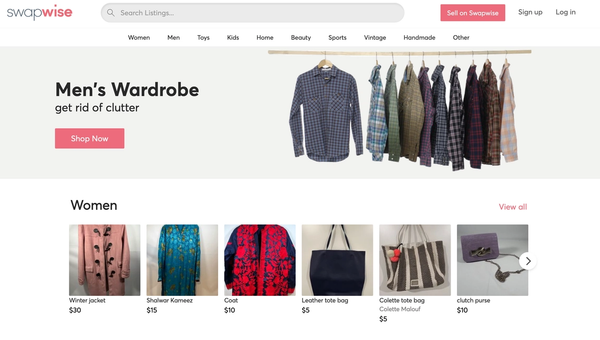
Featured retail and ecommerce case study: Swapwise
Swapwise is the main approved proof source for this page. It gives prospective buyers a concrete example of how BitBytes can support a commerce product that combines marketplace workflows, buyer discovery, operational visibility, and shipping-connected execution.
The business challenge
Swapwise needed a classified ads marketplace for Australia that could support merchant posting, buyer browsing, structured category navigation, and a usable path from listing to sale. It also needed supporting operational visibility and shipping-connected workflow support.
The implementation approach
BitBytes delivered the product from design to development to deployment. The platform was built with Next.js, React.js, Node.js, Express.js, AWS, and Redux. It included merchant posting flows, card attachment for sales, multi-level category filters for browsing, dashboards for visual insight, and Sendle integration for shipping label creation and shipment handling.
What a retail or ecommerce buyer can take from it
Swapwise shows that BitBytes can work across both sides of a commerce product: the user experience buyers interact with and the operational systems teams depend on behind the scenes. It also shows practical capability around marketplace structure, discovery flows, shipping integration, and end-to-end delivery.
Retail and ecommerce teams this is designed for
This page is for buyers who need practical product and engineering support tied to commerce workflows, not just a design refresh or a generic build team.
Quick fit check
Does your situation match?
Retail startups building a new commerce product
Founders or early product teams building a marketplace, online store, or hybrid retail platform and needing help shaping the product, architecture, and delivery plan.
Established ecommerce teams modernizing existing workflows
Teams that already have a live product but need to improve admin tooling, discovery flows, checkout support, shipping logic, or connected operations.
Marketplace businesses with multi-sided workflow complexity
Teams managing buyer journeys, seller or merchant workflows, listing structure, payout logic, and the operational systems that keep a marketplace usable.
Operations-heavy commerce businesses
Businesses where shipping, fulfillment, internal dashboards, reporting, and workflow coordination matter as much as the storefront experience.
Product leaders replacing patchwork systems
Teams that have outgrown disconnected tools, brittle workflows, or fragmented integration logic and need a more coherent product foundation.
Common retail and ecommerce software challenges this helps address
Retail and ecommerce teams often reach this stage when growth exposes weaknesses in workflow design, system coordination, or product structure.
Fragmented commerce systems
Storefronts, payments, shipping, inventory, reporting, and internal tools often sit across disconnected systems. That creates brittle workflows, duplicate effort, and poor visibility across the business.
Slow listing and catalog workflows
When product data, merchant posting, or category structure is hard to manage, product teams and operators lose time and customers struggle to find what they need.
Weak discovery, filtering, and navigation
Retail and ecommerce products become harder to use when search, filtering, and taxonomy are unclear. That affects both buyer experience and the ability to scale catalog complexity.
Checkout, payment, or payout friction
Even strong product experiences break down when the transaction flow is awkward, incomplete, or poorly connected to the rest of the system.
Manual shipping and fulfillment steps
Shipping and fulfillment workflows create operational drag when label creation, shipment handling, and status updates live outside the product or require too much manual work.
Poor admin visibility and operational control
Commerce teams need dashboards, internal tools, and reporting that help them see what is happening across the product. Without that, teams end up reacting late and operating from incomplete information.
These are the kinds of challenges that grow with scale and where a practical product and engineering partner can help the most.
What BitBytes helps retail and ecommerce teams build and improve
BitBytes supports commerce software where customer journeys and internal workflows need to work together.
Marketplaces and multi-sided commerce products
Marketplace products that support merchant onboarding, listing flows, structured categories, buyer discovery, and the operational tools required to manage activity.
Online stores and customer-facing commerce experiences
Web experiences built around product browsing, category logic, account journeys, checkout support, and connected business workflows behind the interface.
Merchant, admin, and operations dashboards
Dashboards and workflow tools that support visibility, control, and better day-to-day operations.
Checkout, payment, and payout workflows
Product logic and flow around how purchases, attached cards, or payment-related steps work inside the experience.
Shipping and fulfillment-connected functionality
Commerce products that connect product interaction with shipping execution through product logic and integration planning.
Modernization of existing commerce products
Improving workflow structure, experience quality, connected systems, and the technical foundation needed for the next stage of growth.
Commerce systems and integrations that shape the product
Retail and ecommerce delivery is rarely isolated to one interface. The quality of the product often depends on how well it connects with the systems around it.
Payments and transaction support
Commerce products need clear transaction logic, whether that means checkout support, card-linked purchase flows, or system behavior tied to successful payment events.
Shipping and carrier workflows
Shipping integration matters when the product needs to support label generation, shipment handling, delivery coordination, or customer-facing shipping status tied to actual operations.
Catalog, product, and listing structure
Products need clean data structure for listings, categories, filters, and product organization. This is a core part of both usability and maintainability.
Inventory, order, and operational systems
Many commerce products rely on supporting systems that track what is available, what has moved, and what the team needs to process next.
CRM, marketing, and customer lifecycle systems
Some retail and ecommerce products need tighter connection between the buying experience and follow-up customer workflows.
Analytics and reporting layers
Dashboards and reporting matter because teams need to see activity, monitor workflow performance, and understand how the product is operating in practice.
How to think about platform and architecture direction in retail and ecommerce
Not every retail or ecommerce product should be built the same way. The right direction depends on business model, workflow complexity, internal resources, and how much control the team needs.
Architecture Fit
RetailWhich approach matches your situation
When a custom marketplace build makes sense
Best when the product has unique merchant workflows, complex listing logic, or non-standard buyer journeys.
When a platform-led commerce setup makes sense
Better fit when the commerce model is more standard and the priority is getting to market faster.
When headless or composable architecture is worth it
Useful when teams want more control over experience, content, integrations, or frontend flexibility.
When modernization is smarter than replacement
Improving workflows, interfaces, and integrations rather than rebuilding everything at once.
How BitBytes approaches retail and ecommerce software delivery
The delivery process should help buyers understand how work gets scoped, built, validated, and improved.
Assess the business model and workflow
The first step is understanding how the commerce product works, who uses it, where the friction sits, and what systems or workflows shape the experience.
Define scope, dependencies, and success criteria
Next comes clarifying what should be built or improved, which systems matter, and what needs to be true for the work to be commercially useful.
Shape the product and technical direction
BitBytes helps define the interface logic, workflow structure, architecture direction, and implementation approach needed for the product to work well in practice.
Build the core experience and supporting systems
This includes the customer-facing experience, internal workflow support, and the underlying application logic required to make the product usable and maintainable.
Connect the critical integrations
Where the product depends on shipping, transactions, dashboards, or supporting systems, the next step is connecting those dependencies in a way that fits the workflow.
Validate key commerce journeys
Before launch or release, the focus is on validating the journeys that matter most, such as browsing, listing, transactions, shipping-related actions, and admin-side usability.
Launch, observe, and refine
After release, the work shifts to real-world observation, issue resolution, and product improvement based on how the workflows operate in practice.
Delivery Outcomes
What you get from the commerce delivery process
Practical outcomes retail and ecommerce teams usually want from this work
The value of retail and ecommerce software development is not just shipping features. It is making the product easier to use, easier to operate, and easier to evolve.
More usable customer journeys
Better structure across browsing, filtering, selection, and purchase-related flows helps customers move through the product with less friction.
Stronger merchant and admin workflows
Improved back-office tools and clearer operational logic help internal users manage the product more effectively.
Cleaner workflow continuity across systems
When integrations are handled well, teams spend less time working around disconnected systems and more time operating from a reliable process.
Better operational visibility
Dashboards and reporting support better understanding of what is happening in the product and where action is needed.
A stronger foundation for product iteration
A better-structured product makes future improvements, new features, and operational changes easier to plan and implement.
Software that supports growth without forcing a full reset
For many teams, the real goal is not a dramatic rebuild. It is a product foundation that can keep improving as the business grows and changes.
When BitBytes is likely to be a good fit and when it is not
Best fit
Not the right fit
Teams building or improving a marketplace, online store, or commerce product with real workflow complexity
Teams looking for a generic brochure website with no meaningful product or operational logic
Buyers who need both customer-facing experience and internal operational tooling to work together
Buyers expecting unsupported claims, instant growth promises, or invented retail performance metrics
Product and operations teams dealing with listings, discovery, transactions, shipping, dashboards, or system coordination
Teams that only need off-the-shelf setup with no product shaping, integration planning, or custom workflow support
Companies that want a practical product and engineering partner to help define and deliver the right solution
Buyers who want broad enterprise credentials, certifications, or vertical scale claims not supported on this page
Frequently Asked Questions
Frequently asked questions about retail and ecommerce software development
Discuss the retail or ecommerce product you need to build or improve
A useful next step is a focused conversation around the product, workflows, system dependencies, and where the current friction sits. The goal is to get clarity on fit and direction, not to force a premature scope.
Book a Discovery Call
with a Commerce Software Specialist