Wellness & Fitness Software Development for Teams Building Engaging Digital Products
BitBytes helps wellness and fitness companies design, build, and improve software products - from coaching platforms and subscription apps to habit-building experiences and community tools. We focus on engagement, personalization, and product foundations that support growth.









What wellness and fitness software development should help you improve
Stronger onboarding, engagement, and habit loops so the product feels useful beyond the first session
Better alignment between mobile apps, web experiences, content, coaching workflows, and admin operations
More credible personalization through product logic, data flows, and AI-supported experiences where relevant
Cleaner product decisions around subscriptions, content delivery, tracking, reminders, and community features
A more practical path from product concept or MVP to a stable platform that can keep improving
Product outcomes
Where the work shows up
Wellness and fitness software we have built
Real products built for wellness and fitness companies - from AI-guided engagement platforms to studio management software.
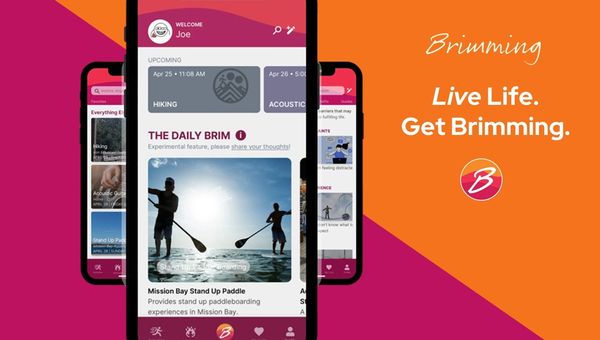
Brim Living (Brimming): Agentic AI for Real-World Growth
Brim Living’s Brimming app blends agentic AI and human expertise to help people build habits, stay motivated, and act on personalized recommendations—turning intention into lasting behavior change.
View case study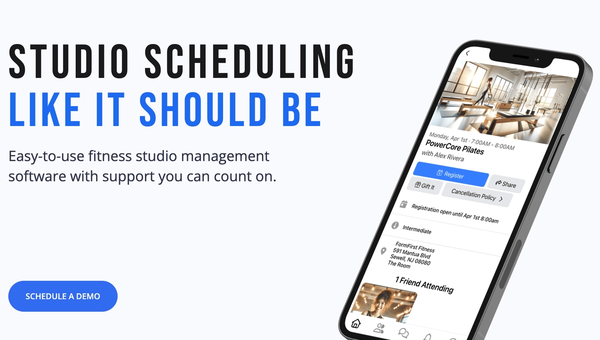
fitDEGREE — Studio Scheduling, Payments & Community in One
Studio software built for boutique fitness: fast scheduling and registration, payments and POS, member app + website widgets, and reporting that makes decisions obvious
View case studyThe kinds of wellness and fitness businesses this is designed for
This page is for teams building products where user engagement, guidance, tracking, subscriptions, and connected digital experiences matter.
Quick fit check
Does your situation match?
Wellness app startups
Founders building digital wellness products that need help shaping the MVP, user journey, and technical foundation.
Fitness subscription products
Businesses offering paid workouts or memberships that need stronger subscription flows and retention mechanics.
Coaching and habit-building platforms
Products built around guidance, accountability, habit loops, and progress visibility that need to feel supportive in daily use.
Content-led wellness brands
Wellness companies expanding from content into a structured digital product like a member platform or guided program.
Wearable-connected products
Teams exploring experiences that connect app behavior with device signals or progress tracking inputs.
Community and challenge-based platforms
Products where engagement depends on social support, shared goals, and group participation.
The product problems wellness and fitness teams often need to solve
Wellness and fitness software usually fails for practical reasons, not because the category is weak. Products lose momentum when journeys are fragmented, engagement systems are shallow, data is disconnected, or the product feels good in theory but weak in daily use.
Post-onboarding drop-off
Many products get initial interest but struggle to create a return habit after the first few sessions. If onboarding does not connect quickly to value, usage often falls before the product becomes part of a routine.
Fragmented product experience
Users often move through multiple parts of the product, but the experience feels fragmented. When guidance, tracking, content, and notifications are not aligned, the product feels harder to follow and less useful.
Shallow personalization
Many wellness and fitness products claim personalization, but the experience never adapts in a meaningful way. Without stronger product logic, data inputs, or guided flows, personalization becomes surface-level.
Scattered product data
Teams often end up with disconnected app data, analytics, admin workflows, content systems, device inputs, and subscription tools. That makes it harder to improve the product or operate it efficiently.
Messy subscription management
As products grow, membership logic, payment flows, access control, scheduled programs, and admin management can become difficult to manage without clearer platform structure.
Concept-strong, use-weak
It is common for the brand and idea to be strong while the actual product experience lacks momentum. If the software does not support clarity, progress, habit formation, and repeat engagement, users drift away.
These challenges are why wellness and fitness teams invest in custom software that connects engagement, content, tracking, and operations into one coherent product.
The kinds of wellness and fitness software products BitBytes can help build
This work is not limited to one app format. We help teams build and improve product types that support guidance, engagement, tracking, subscriptions, and connected user journeys across web and mobile.
Habit and behavior-change apps
Products designed to support consistency, reminders, routines, streaks, progress visibility, and small repeated actions that make the experience more useful over time.
Coaching and accountability platforms
Software that helps users follow structured programs, receive guidance, track activity, and stay connected to a coaching model, whether that guidance comes from people, product logic, or AI-supported flows.
Workout and progress tracking products
Platforms that help users log activity, follow plans, monitor progress, and make sense of their performance or wellness journey through clear, usable interfaces.
Mindfulness and personal growth apps
Digital products focused on guided experiences, reflection, habit support, emotional wellbeing, or self-improvement journeys that need a thoughtful product structure and consistent engagement model.
Membership, subscription, and content platforms
Products built around recurring access, premium content, structured programs, classes, or digital services where payments, access logic, and delivery experience all need to work together.
Community, challenge, and engagement systems
Experiences that encourage repeat use through shared participation, accountability, milestones, progress visibility, or challenge-based interaction built into the product.
How BitBytes supports wellness and fitness product delivery
We help as a practical software partner, not just a design vendor or a generic development team. The goal is to make the product clearer, more usable, and more viable to build and improve.
Product strategy and scope definition
Shaping the roadmap around what matters most to the user journey and avoiding overbuilt features.
UX and engagement design
Flows for onboarding, guidance, progress visibility, habit formation, and repeat interaction.
Web and mobile product delivery
Product experiences across mobile and web, including customer-facing interfaces and admin systems.
AI-guided and personalized product experiences where relevant
AI-guided interactions as a functional product feature, not a vague add-on.
How We Deliver
4 stepsFrom strategy to live wellness product
What wellness and fitness products often need behind the interface
Strong wellness and fitness products depend on more than a clean front end. They often need systems that support engagement, subscriptions, analytics, content, data flow, and operational visibility.
Wearable and sensor integrations
Some products benefit from connecting activity, health-adjacent, or performance inputs from external devices so the experience can reflect more of the user's actual journey.
Content, classes, and session delivery
Products often need a clear structure for delivering guided content, scheduled sessions, programs, video, or modular experiences that users can follow without friction.
Notifications, reminders, and habit loops
Retention often depends on better reminders, nudges, milestones, and re-entry points that bring users back into the product at the right time and with the right context.
Subscriptions, payments, and membership logic
Recurring plans, gated access, billing states, user entitlements, and program access rules need to work cleanly for both the customer experience and internal operations.
Admin dashboards and analytics
Teams usually need internal visibility into product usage, user progress, subscription behavior, content performance, and operational activity so they can improve the product with more confidence.
AI, recommendation, or coaching layers
When the product supports guided recommendations, conversational support, or adaptive experiences, those features need to fit naturally into the product journey and not sit outside it as a disconnected layer.
A practical process for building or improving wellness and fitness software
The best process is one that helps you make decisions early, build the right thing first, and keep improving after launch.
Define the product scope and business goal
The first step is clarifying what the product needs to achieve, who it is for, what the core experience should be, and what success looks like at this stage.
Map the user journey and engagement model
We look at how users enter, move through, return to, and get value from the product, including onboarding, progress flows, reminders, subscriptions, and repeat-use patterns.
Shape the product structure and feature priorities
This is where the roadmap becomes more concrete. The goal is to define the right product layers, MVP boundaries, integrations, and operational requirements before development expands too far.
Design the experience across web, mobile, and admin workflows
We translate product requirements into usable interfaces and practical workflows for customers, operators, and any internal teams managing the platform.
Build, integrate, and connect the platform foundation
Development brings together the interfaces, backend logic, integrations, data flows, subscription systems, and any AI-guided or personalized experience layers that belong in the product.
Test the product in real usage scenarios
The focus here is not only on bugs. It is also on usability, flow clarity, edge cases, operational fit, and whether the product supports the intended user journey in practice.
Launch, learn, and improve
After release, the product needs iteration. That often means refining onboarding, engagement flows, analytics visibility, content structure, or platform behavior based on real usage.
Delivery Outcomes
What you get from the wellness delivery process
What this work is designed to improve
The goal is not to promise dramatic outcomes without evidence. The goal is to build a stronger product foundation and improve the parts of the experience that matter most to users and operators.
Clearer product direction
A more focused roadmap helps the team make better decisions about what to build now, what to sequence later, and what not to include.
Stronger onboarding and engagement systems
A better entry experience and better habit-support mechanics help the product feel useful sooner and support more consistent return behavior.
More usable tracking, coaching, and guidance flows
When these core product elements are clearer and better connected, the overall experience becomes easier to follow and more valuable to the user.
Better alignment between product and operations
Subscription handling, content management, admin visibility, and platform workflows become easier to manage when the system is structured more intentionally.
More scalable content and membership infrastructure
A stronger platform base helps support recurring programs, gated content, evolving pricing models, and future feature growth without constant rework.
Better foundations for iteration and growth
A product that is easier to understand, measure, and improve puts the team in a stronger position to keep evolving the experience over time.
When BitBytes is likely to be the right fit and when it is not
Best fit
Not the right fit
Teams building or improving a real wellness or fitness product with a clear roadmap and product owner
Businesses looking for unsupported guarantees around growth, retention, or revenue
Companies that need help across product strategy, design, web or mobile delivery, and platform thinking
Teams that only need a basic marketing site with no meaningful product logic or user workflows
Founders and operators who want a practical partner to help shape engagement, subscriptions, tracking, and product structure
Buyers expecting deep clinical, medical, or compliance specialization not supported by the approved inputs
Product teams that value honest scope, delivery clarity, and relevant industry proof through work like Brimming
Companies that want every possible feature added at once without clear priorities, fit boundaries, or staged delivery
A practical view of the technology stack behind products like these
The right stack depends on the product. The point of this section is to explain the functional layers BitBytes can work across.
Experience layer
The user-facing experience often includes a web interface or product front end designed around onboarding, content, progress, engagement, and account flows.
Mobile application layer
For consumer-facing wellness and fitness products, mobile delivery is often central to the experience.
Backend and API layer
The backend supports product logic, user accounts, content access, progress handling, subscriptions, admin workflows, and system communication.
Data and analytics layer
Products in this category often need structured data flows for user progress, engagement behavior, reporting, and operational visibility.
AI or personalization layer
Where the product supports guided experiences, personalized insights, or AI-assisted interactions, that layer must connect to the real product journey.
Integration layer
This layer connects the product with payments, subscriptions, content systems, notifications, device data, analytics tools, or internal workflows.
Cloud and delivery base
A good delivery base supports performance, maintainability, iteration, and product growth.
Frequently Asked Questions
Questions buyers often ask about wellness and fitness software development
Talk through your wellness or fitness product with a team that understands the delivery reality
If you are evaluating how to build, improve, or restructure a wellness or fitness product, the next step should help clarify the roadmap, product priorities, and where software support would create the most value.
Book a Discovery Call
with a Wellness Software Specialist