Application modernization services that help you evolve critical software without risky full rewrites
BitBytes helps teams modernize customer-facing products, internal business systems, and operational platforms that have become harder to maintain, slower to ship, and riskier to scale. The goal is to improve the parts that are holding the system back, without forcing a blanket rebuild when a phased modernization path makes more sense.









What application modernization services actually help you improve
Replace maintenance-heavy patterns with a cleaner architecture and a codebase that is easier to change safely.
Improve release speed by reducing technical debt, dependency friction, and delivery bottlenecks.
Modernize infrastructure, integrations, and runtime visibility so the system is easier to operate at scale.
Choose the right level of change, whether that means stabilizing, replatforming, refactoring, rearchitecting, or selectively replacing parts of the application.
Who application modernization services are designed for
This service is best suited for teams that already have working software but can feel the cost of keeping it in its current state. The common thread is not age alone. It is the combination of business importance and rising friction.
CTOs managing release drag
Roadmap execution keeps slowing because the application is difficult to change, test, or deploy. Modernization removes technical barriers turning normal work into expensive effort.
Product teams carrying tech debt
The product is still valuable but the codebase and architecture are harder to support. Modernization improves the system without discarding what works.
Platform owners with brittle internal systems
Operational platforms become deeply important before they become easy to maintain. This fits teams that need those systems more reliable and integration-ready.
SaaS founders preparing for scale
Older architecture decisions start limiting velocity, performance, and flexibility. Modernization prepares the platform for the next stage of maturity.
Businesses consolidating after platform sprawl
Overlapping workflows, inconsistent data flows, or too many moving parts. Modernization reduces complexity without forcing an all-at-once replacement.
Why businesses modernize now instead of later
Most modernization decisions are not driven by fashion. They are driven by operational cost, delivery risk, and the growing gap between what the business needs and what the current system can support.
Maintenance costs start crowding out roadmap work
More engineering time goes into keeping the system stable than moving the product forward. Modernization shifts effort from repetitive maintenance into product progress.
Release cycles keep slowing as the system gets harder to change
A codebase that takes too long to understand, test, or deploy creates compound delivery drag that affects product momentum.
Integration bottlenecks begin limiting platform usefulness
Outdated integration patterns create more failures, manual work, and overhead. Modernization makes the application a better participant in the wider stack.
Growth exposes performance, stability, and scalability limits
Applications often look acceptable until usage or complexity rises. Modernization addresses stability risks that become visible under growth.
Cloud readiness and delivery maturity are no longer optional
When infrastructure and observability lag behind product needs, the business feels it in slower changes and weaker runtime visibility.
The cost of delay becomes easier to see than the cost of change
Maintenance drag, fragile releases, and architectural constraints keep getting more expensive to work around the longer you wait.
Approved BitBytes case studies that support modernization conversations
These case studies are grounded proof for buyers evaluating whether BitBytes can work effectively inside evolving product and platform environments.
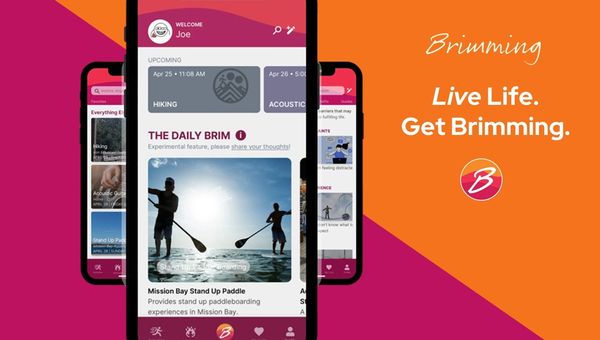
Brim Living (Brimming): Agentic AI for Real-World Growth
Brim Living’s Brimming app blends agentic AI and human expertise to help people build habits, stay motivated, and act on personalized recommendations—turning intention into lasting behavior change.
View case study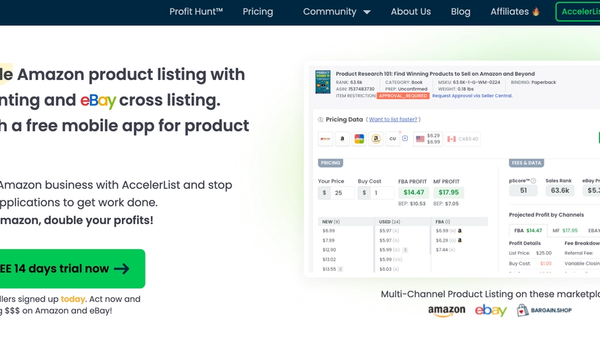
AccelerList — List Faster, Reprice Smarter, Sell on Amazon & eBay
Amazon listing, repricing, and accounting in one tool—plus seamless eBay cross-listing with inventory sync to expand reach without extra busywork.
View case study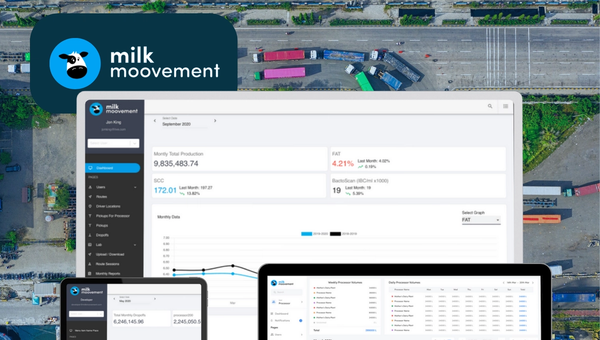
Milk Moovement: The Operating System for Modern Dairy Co-ops
Milk Moovement is a cloud platform that gives dairy co-ops a real-time command center—from farm pickup to plant intake. It streamlines routing and scheduling, unifies quality and volume data, and automates complex payments, replacing spreadsheets with a single source of truth. The result: fewer miles, faster payouts, and smarter decisions across the dairy supply chain.
View case studyThe application modernization problems teams are usually trying to solve
Application modernization is usually triggered by a pattern, not a single issue. The software still matters, but more of the team's time goes into managing friction than creating forward momentum.
The most common modernization friction points:
Technical debt slows down normal product delivery
What used to be a manageable codebase becomes a source of hesitation. Small changes take longer, testing becomes heavier, and releases require more caution than they should.
Legacy architecture blocks new capabilities
Older architectural decisions can limit how easily the system supports new workflows, integrations, channels, or scale requirements. The application becomes structurally expensive to evolve.
Integrations become brittle and hard to trust
When APIs, background jobs, external systems, or internal services are loosely held together, failures become harder to trace and routine changes start creating downstream issues.
Performance and reliability issues grow under real usage
Applications often work well enough until growth, feature expansion, or operational complexity increases. Then response times, background processing, and runtime stability become harder to manage.
Infrastructure and delivery practices lag behind product needs
A weak deployment pipeline, limited environment consistency, or poor runtime visibility makes the application harder to ship and riskier to operate. Modernization often includes improving the way the system is delivered, not just the code itself.
The team spends too much effort working around the system
Manual processes, admin friction, unclear dependencies, and repeated firefighting are all signs that the application is demanding too much attention just to stay functional. That drag compounds over time.
These patterns tend to compound over time. The longer they persist, the more expensive and disruptive they become to address.
How BitBytes approaches application modernization in practical terms
Not every system needs the same answer. A good modernization plan matches the level of change to the real source of friction, the current business risk, and the pace the organization can support.
Assess and stabilize the current system first
Understand where the application creates cost and risk - architecture, code quality, integrations, and deployment. Early stabilization often creates immediate value.
Rehost or replatform when the core application still holds up
Move the application onto a better runtime or cleaner infrastructure to reduce operational drag without rewriting business logic.
Refactor where the codebase is slowing change
Targeted refactoring in difficult-to-extend areas reduces complexity and makes routine product work less expensive.
Rearchitect and modernize integrations where deeper change is needed
When architecture limits scale or blocks new capabilities - service boundaries, data flow redesign, API improvements, and broader structural changes.
Improve delivery, observability, and long-term maintainability
CI/CD, infrastructure improvements, logging, monitoring, and testing so the application is easier to deploy, debug, and evolve.
System Modernization
Application upgrade tracker
What the application modernization process usually looks like in practice
The process is designed to reduce ambiguity early, choose the right modernization path, and move through implementation in a way that protects business continuity.
Audit the current application and its delivery reality
Review the system's architecture, codebase condition, integrations, infrastructure, dependencies, environments, and release process to understand where friction and risk actually live.
Define the modernization path and business priorities
Map the most relevant path, whether that is stabilization, replatforming, targeted refactoring, rearchitecture, or a hybrid sequence. The goal is to align technical change with business value and delivery constraints.
Design the target state and migration sequence
Clarify what the future-state application needs to support, then define how to get there in phases. This includes rollout logic, dependency planning, data handling, test coverage needs, and rollback awareness.
Modernize incrementally around live system needs
Implement changes in a controlled way so the team can improve the system without treating the application like a greenfield rebuild. This helps reduce disruption while still creating measurable structural improvement.
Strengthen infrastructure, delivery automation, and visibility
Improve deployment confidence, environment consistency, runtime observability, and operational response so the application becomes easier to maintain after the core modernization work lands.
Validate, release, and keep improving
Modernization does not stop at code changes. It includes testing, release planning, production validation, and a clearer model for how the system will continue to evolve without drifting back into avoidable complexity.
Modernization Outcomes
What you get from our modernization process
Where application modernization services are especially relevant
This service is relevant in any environment where software is business-critical and increasingly hard to evolve. The fit is usually strongest where product complexity and operational dependency are both high.
SaaS products with growing platform complexity
As SaaS platforms expand, older assumptions around architecture, data flow, and delivery pipelines become harder to sustain. Modernization helps restore flexibility without discarding product maturity.
Marketplaces with layered workflows and integration pressure
Marketplace products often rely on multiple system interactions, operational logic, and evolving user needs. Modernization supports better maintainability and clearer integration behavior as complexity increases.
Operations-heavy internal software
Internal tools tend to accumulate complexity because they grow around real business processes. Modernization helps improve reliability, admin usability, and long-term maintainability without interrupting essential workflows.
Logistics and workflow platforms
Platforms tied to real operational movement, coordination, or scheduling usually need reliability and clear system behavior as they scale. Modernization can reduce fragility while improving visibility and changeability.
E-commerce tooling and connected operational systems
Software supporting catalog, pricing, order, fulfillment, or platform workflows often becomes difficult to extend over time. Modernization helps remove the friction that builds up around those critical workflows.
What good application modernization work should improve
The goal is not change for its own sake. It is a more useful, more stable, and more maintainable application that supports the business with less drag.
System Health
After modernizationWhat improves when the system is upgraded
Faster release cycles
A cleaner architecture and better delivery flow reduce the time and caution required for routine changes.
Lower maintenance drag
When technical debt and unnecessary complexity are reduced, the team spends less effort holding the system together.
More reliable integrations and system behavior
Modernized integration patterns and clearer service boundaries make dependent workflows easier to trust and support.
Better scalability and runtime stability
The application becomes better prepared for growth, heavier usage, and operational complexity.
Improved developer efficiency
A system that is easier to understand, test, and change creates better engineering leverage without the vague promises.
Stronger delivery visibility and operational confidence
Modernization improves not only the codebase, but also how the system is observed, released, and managed over time.
When BitBytes is the right modernization partner and when it is not
Best fit
Not the right fit
Teams with important existing software that has become harder to maintain, extend, or scale
Buyers looking for a cosmetic refresh with no meaningful architectural or delivery work
Product or platform teams that need a phased modernization path instead of a risky full rebuild
Companies expecting guaranteed outcomes without discovery, assessment, or tradeoff discussion
Businesses that want architecture, delivery, and operational realities handled together
Teams with no real system complexity and no meaningful modernization need
Buyers looking for a product-minded engineering partner rather than generic development capacity
Buyers who only want isolated staff augmentation with no modernization strategy or ownership
The technology and delivery layers that usually shape modernization work
The stack should be explained by what it needs to do, not by how many tools can be named. The examples below are representative and should be adapted to the current system, target architecture, and delivery constraints.
Experience layer
Modernization may include improving the customer-facing product, admin surfaces, or internal workflows that sit on top of the system. Common examples include React, Next.js, and TypeScript for modern web interfaces.
Application / services layer
This is where core business logic, APIs, background jobs, and service behavior usually need the most attention. Depending on the estate, that may involve Node.js, Java, Python, TypeScript-based backends, or other existing runtime layers.
Data / storage layer
Modernization often touches schema quality, access patterns, data flow, storage structure, and operational reliability. Representative examples include PostgreSQL and other managed data services where appropriate.
Cloud / runtime layer
If infrastructure is part of the constraint, modernization may include cloud migration, containerization, runtime consistency, and environment cleanup across AWS, GCP, DigitalOcean, or hybrid setups.
Integration / API layer
Many modernization efforts depend on making system boundaries clearer and integrations more dependable. That includes API design, service communication, external platform connectivity, and background process coordination.
Delivery automation layer
A modern system should be easier to build, test, release, and recover. CI/CD, infrastructure as code, release automation, and environment consistency all support that goal.
Observability / security layer
Logging, monitoring, alerting, runtime diagnostics, and security-minded operational practices matter because a modern application must also be easier to operate and investigate in production.
Recommended delivery base
The preferred delivery base is practical and context-aware: modern web architecture where relevant, stable application services, reliable storage patterns, cloud-ready environments, strong testing habits, and clear operational visibility. The right stack follows the problem being solved.
What Our Clients Say
"BitBytes delivered well-performing solutions that met our quality standards and requirements. They were accommodating of changes in the scope and went the extra mile to deliver top-notch work on time. They were detail oriented and outstanding in their project management and communication."

"BitBytes' work has contributed to more free time for the client to focus on other business matters. The team will go to any extent to provide the best quality. Keeping in touch on a regular basis, they have good communication skills and give feedback to help the client improve."

"BitBytes has delivered the project on time. They have communicated clearly and frequently, ensuring an effective workflow. They have been knowledgeable, technical, and experienced. Their high-quality work and timely delivery have been hallmarks of their work."

Frequently Asked Questions
Common questions about application modernization services, what they include, and how to get started.
Start with a modernization conversation grounded in your current system
A good first conversation should make the situation clearer. It should help define whether the application needs stabilization, targeted refactoring, replatforming, architectural change, or a phased roadmap that combines several of those paths.
Schedule a Technical Discovery Call
with an Application Modernization Expert