Cross-Platform App Development Services for Product Teams That Need Real Delivery
BitBytes helps teams design, build, modernize, and launch cross-platform mobile apps using frameworks like React Native and Flutter, with the backend integration, QA, release support, and post-launch iteration serious products actually need.









What cross-platform app development really helps you solve
Launch on iOS and Android without running two separate mobile builds from day one.
Keep product delivery more coordinated with a shared codebase and clearer release workflows.
Modernize weak or aging apps without automatically committing to a full native rebuild.
Move faster when internal bandwidth is limited but product expectations are still high.
Create a more maintainable path for ongoing feature work, QA, and post-launch improvements.
Who cross-platform app development is usually a strong fit for
This service works best when the mobile product has real business value, multiple stakeholders, and a need for practical delivery rather than experimentation for its own sake.
Product teams launching on iOS and Android at the same time
This is a strong fit when launch timing matters on both platforms and the team wants one coordinated delivery path instead of two disconnected mobile workstreams.
Companies rebuilding or modernizing an existing app
Teams often use this when a first version is hard to maintain, releases are slow, or the product needs a cleaner technical base before more features are added.
Lean engineering teams that need external execution support
A good fit usually looks like a capable in-house product or technical team that needs a delivery partner to help move faster without hiring a full separate mobile unit.
SaaS businesses turning mobile into a real product channel
This is designed for software companies expanding from web into mobile and needing the app to connect cleanly with existing APIs, workflows, analytics, and release plans.
Operations-heavy businesses that need mobile workflows in the field
This helps when users rely on mobile for task completion, data capture, coordination, approvals, or live operational visibility rather than just passive viewing.
Why businesses usually invest in cross-platform delivery now instead of later
Most teams do not buy this because the phrase sounds modern. They buy it when a product, roadmap, or delivery model starts making the current setup too expensive to keep carrying.
They need iOS and Android coverage without doubling early delivery effort
When both platforms matter commercially, cross-platform can be a practical way to move toward launch with tighter coordination.
Their current app is slowing the roadmap down
A weak first version, rushed codebase, or fragmented release process often becomes a blocker once the product starts seeing real usage.
Mobile is becoming a serious part of the product, not a side add-on
Teams buy now when mobile shifts from 'nice to have' into a core experience that needs better UX, stronger QA, and more predictable releases.
They need faster execution without building a larger mobile team immediately
Cross-platform becomes attractive when internal teams have direction but not enough bandwidth to manage separate platform tracks well.
They want a cleaner long-term maintenance path
The business case often strengthens when release management, testing, feature parity, and ongoing support all start becoming harder to coordinate across separate implementations.
Two case studies that show where cross-platform delivery matters
These examples point to two different buyer situations: a consumer-facing product experience and an operations-heavy platform where mobile supports real workflow execution.
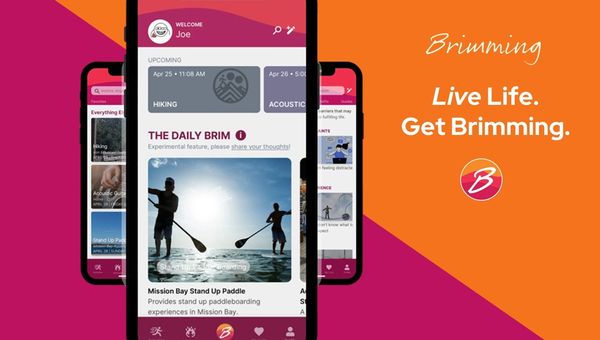
Brim Living (Brimming): Agentic AI for Real-World Growth
Brim Living’s Brimming app blends agentic AI and human expertise to help people build habits, stay motivated, and act on personalized recommendations—turning intention into lasting behavior change.
View case study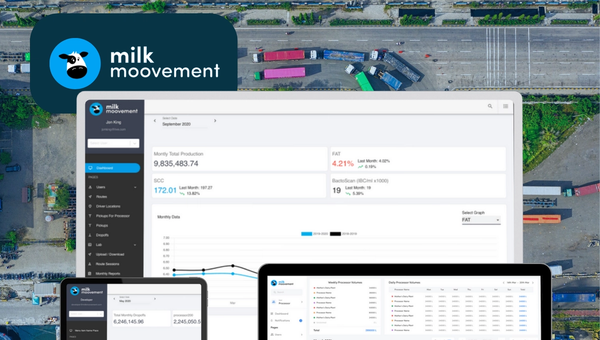
Milk Moovement: The Operating System for Modern Dairy Co-ops
Milk Moovement is a cloud platform that gives dairy co-ops a real-time command center—from farm pickup to plant intake. It streamlines routing and scheduling, unifies quality and volume data, and automates complex payments, replacing spreadsheets with a single source of truth. The result: fewer miles, faster payouts, and smarter decisions across the dairy supply chain.
View case studyThe delivery problems cross-platform app development is usually meant to fix
The goal is not to force every product into one approach. The goal is to solve the operational and technical friction that shows up when mobile delivery needs to become more coordinated, more maintainable, and more commercially useful.
The most common cross-platform delivery problems:
Duplicated effort across iOS and Android
Separate platform tracks can create avoidable overhead in planning, feature delivery, QA, and release coordination.
Inconsistent experience between platforms
Teams often struggle when one platform lags behind the other or when product behavior and UX start diverging in ways users notice.
Hard-to-maintain app codebases
Previous delivery choices can leave teams with brittle mobile code, unclear architecture, and rising maintenance effort.
Unclear framework direction
Buyers often know they want mobile coverage but do not yet know whether React Native, Flutter, native development, or a phased combination is the best fit.
Release and QA bottlenecks
As products mature, app-store submission, device testing, regression coverage, and rollout planning become harder to handle casually.
Backend and workflow complexity
Mobile apps rarely stand alone. Real products need APIs, auth, sync, analytics, notifications, and business workflows that work reliably under production conditions.
These are the delivery problems that make cross-platform app development a practical business decision rather than just a technology preference.
What BitBytes helps you build and improve
This service is designed to give teams a practical path from mobile scope to working product, while keeping the delivery model grounded in how the app actually has to be launched, maintained, and improved.
Cross-Platform Output
1 codebaseWhat the delivered app looks like
 iOS
iOS Android
Product and technical scoping before build decisions
The first step is clarifying what the app needs to do, who it serves, what systems it depends on, and whether cross-platform is truly the right route.
Cross-platform implementation with React Native or Flutter
We help build shared-codebase mobile apps for iOS and Android while keeping framework choice tied to product needs, delivery constraints, and long-term maintainability.
Native capability handling where the product requires it
This approach supports native modules or platform-specific work when device features, performance demands, or OS-level behavior require more than a purely shared layer.
Backend integration, QA, release, and post-launch support
The service includes the delivery work around the app, not just the app UI itself: APIs, data flow, testing, app-store preparation, rollout support, and ongoing improvement cycles.
How cross-platform app delivery usually moves from idea to launch
The process should help buyers understand what happens in practice, not just what sounds good in a proposal.
Define the product goal and delivery fit
We start by clarifying the app's role, user journeys, business priorities, and whether cross-platform or native is the smarter direction.
Decide the framework and architecture path
This is where React Native, Flutter, native requirements, backend dependencies, and long-term maintainability get evaluated together.
Plan the experience, flows, and integration needs
User flows, screen priorities, data handling, API dependencies, and release assumptions are shaped into a workable build plan.
Build the app and connect the systems behind it
The shared mobile application is developed alongside backend integrations, authentication, notifications, analytics, and any required platform-specific functionality.
Test across devices and prepare for release
Functional QA, device coverage, regression checks, and app-store packaging help reduce surprises near launch.
Launch, monitor, and improve
After release, the focus shifts to stability, feedback, performance, issue resolution, and the next round of product improvements.
Delivery Outcomes
What you get from this delivery process
Where this service tends to be especially relevant
The fit is strongest in operating environments where mobile apps need to do real work, connect to real systems, and keep improving after launch.
Product-led SaaS
Useful when SaaS teams need mobile access to an existing platform without creating two separate mobile codebases too early.
Logistics and field operations
A strong fit where mobile supports scheduling, coordination, live status updates, data capture, or distributed operational workflows.
Healthcare service workflows
Relevant where mobile needs to support real user journeys, service access, communication, or process visibility in structured environments.
Commerce and marketplace products
Helpful when customer-facing mobile experiences need reliable UX, backend connectivity, and ongoing feature iteration.
Multilingual or GCC-facing mobile experiences
Especially relevant where mobile products need practical UX decisions across language contexts, user expectations, and region-specific operating realities.
What usually improves after the right cross-platform delivery approach is in place
These outcomes are most believable when the app scope, framework choice, and delivery model match the product rather than forcing a one-size-fits-all answer.
Delivery Quality
After deliveryCross-platform outcomes after implementation
Faster multi-platform delivery
Teams can move toward iOS and Android release with more coordinated planning and execution.
Cleaner maintenance over time
A better-structured codebase can reduce ongoing friction around updates, fixes, and feature rollout.
Better UX consistency across platforms
Users get a more aligned product experience instead of two partially drifting implementations.
More predictable release workflows
Testing, packaging, and app-store preparation become easier to manage with a clearer delivery system.
Easier post-launch iteration
Feature improvements, bug fixes, and product updates can move through a more maintainable pipeline.
Stronger technical direction for the next phase
The team gets clearer visibility into what should stay shared, what should become native, and how the product should evolve.
When cross-platform is the right move and when it is not
Best fit
Not the right fit
You need a serious mobile product on both iOS and Android and want shared delivery efficiency.
You already know the product requires heavily platform-specific implementation from the start.
Your team wants to launch or modernize without maintaining two fully separate mobile tracks immediately.
You are looking for the cheapest possible build rather than a maintainable product and release path.
The app needs strong backend integration, predictable QA, and ongoing iteration after launch.
The project is still too vague to define product scope, user journeys, or delivery priorities clearly.
You want an engineering-led partner that can help assess whether cross-platform or native is the smarter option.
Native development is likely the better path when performance, device-level behavior, or OS-specific capability is the main requirement.
A practical cross-platform app stack for real product delivery
The stack should be easy for both technical and non-technical buyers to understand: what each layer does, why it exists, and where example technologies fit.
Product / experience layer
User flows, screen logic, design system alignment, and mobile UX decisions that shape how the app behaves in real use.
Cross-platform application layer
Shared mobile application code for iOS and Android using React Native or Flutter, chosen based on product needs, team fit, and delivery constraints.
Native capability layer
Swift or Kotlin modules where the product needs more direct access to device features, platform-specific behavior, or deeper OS integration.
Backend and integration layer
APIs, business logic, notifications, and system connectivity using platforms such as Node.js, Python, or Java where appropriate.
Data, auth, and sync layer
Authentication, session handling, offline-aware data patterns, storage choices, and synchronization logic that keep the app usable in real operating conditions.
QA and release layer
Device testing, regression coverage, CI/CD, app signing, packaging, and App Store / Google Play release support.
Observability and analytics layer
Crash reporting, usage analytics, performance monitoring, and release feedback loops that support post-launch decision-making.
Recommended delivery base
A compact, engineering-led delivery setup with clear scope, senior technical ownership, and enough flexibility to work with in-house design, backend, or product teams.
Frequently Asked Questions
Common questions about cross-platform app development services, what they include, and how to get started.
Plan the right mobile delivery path before you commit to the wrong build
A good next step is not a sales pitch. It is a working conversation about product fit, platform decisions, integration realities, scope, and whether cross-platform is actually the right approach for your app.
Schedule a Technical Discovery Call
with a Cross-Platform App Development Expert