Frontend modernization services for teams that need a better product experience without a risky full rebuild
BitBytes helps businesses modernize aging frontends through UI and UX improvements, framework upgrades, design system work, performance tuning, accessibility fixes, and phased implementation. The goal is to make your product easier to evolve, easier to use, and easier to ship.










What frontend modernization services actually improve
Legacy frontend cleanup that makes product changes easier to ship and easier to maintain
UI and UX modernization that reduces friction across key product flows, portals, and websites
Framework and architecture updates that reduce long-term risk without forcing an unnecessary rewrite
Design system and component work that improves consistency, reuse, and delivery speed
Performance, responsiveness, and accessibility improvements that strengthen the experience for real users
The teams that usually get the most value from frontend modernization
This service is best suited to businesses with live products or active digital platforms where frontend quality now affects speed, usability, or growth.
Product teams with active software
Teams with a product already in market that needs a stronger frontend foundation without pausing delivery.
SaaS companies carrying legacy frontend debt
Businesses dealing with brittle components, outdated frameworks, inconsistent patterns, or frontend changes that keep getting more expensive.
Operations-heavy businesses with dashboards, portals, or internal tools
Companies where frontend complexity shows up in workflow-heavy systems used by staff, partners, or customers every day.
Businesses planning a framework migration
Teams that need a practical path from an aging frontend stack to a more maintainable setup with lower delivery risk.
Companies whose UX is slowing adoption or conversion
Businesses that do not only need cleaner code, but also clearer flows, stronger usability, and a more credible product experience.
Internal engineering teams that need a reliable execution partner
Teams that want outside support for planning, implementation, and rollout without handing off product context to a generic vendor.
Relevant proof from product, platform, and frontend execution work
These examples are included as proof of frontend and product delivery quality across different digital experiences.
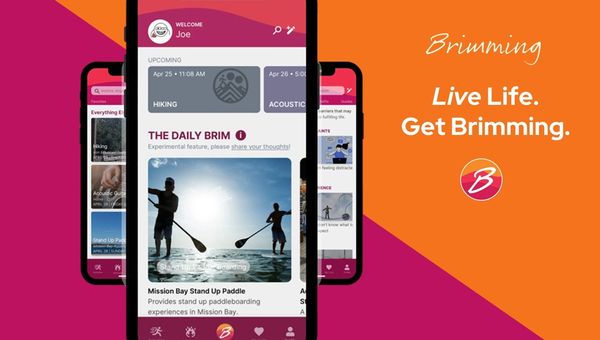
Brim Living (Brimming): Agentic AI for Real-World Growth
Brim Living’s Brimming app blends agentic AI and human expertise to help people build habits, stay motivated, and act on personalized recommendations—turning intention into lasting behavior change.
View case study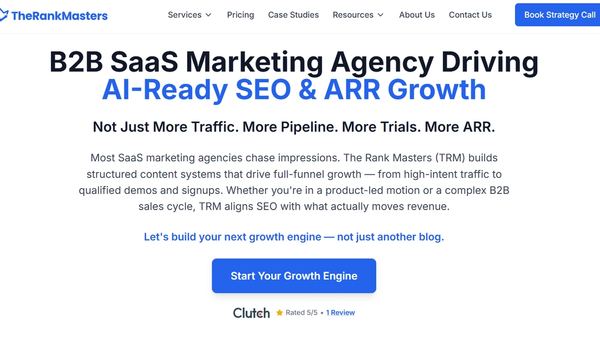
The Rank Masters (TRM) - B2B SaaS SEO that Turns Rankings into Revenue
A SaaS-only SEO partner that maps search intent to revenue actions, ships BOFU/MOFU content, optimizes for AI Overviews, and proves impact in dashboards tied to demos, trials, and ARR
View case study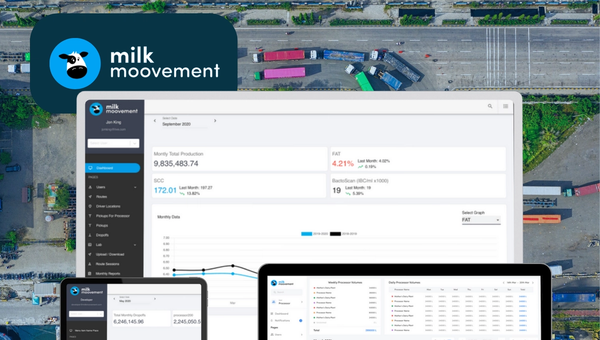
Milk Moovement: The Operating System for Modern Dairy Co-ops
Milk Moovement is a cloud platform that gives dairy co-ops a real-time command center—from farm pickup to plant intake. It streamlines routing and scheduling, unifies quality and volume data, and automates complex payments, replacing spreadsheets with a single source of truth. The result: fewer miles, faster payouts, and smarter decisions across the dairy supply chain.
View case studyWhere frontend modernization usually becomes a real business need
Frontend issues rarely stay isolated to the interface. They affect release speed, user confidence, usability, and the cost of making product changes.
The most common frontend modernization problems:
The frontend has become harder to change than it should be
When components are brittle, patterns are inconsistent, and frontend architecture has drifted over time, even small updates start taking too long.
An outdated framework is creating migration pressure
Framework end-of-life, upgrade friction, or technical constraints can turn the frontend into a growing delivery risk if there is no clear modernization path.
UX inconsistency is showing up across key flows
Products often accumulate uneven screens, mismatched interactions, and fragmented user journeys that make the experience feel less usable and less credible.
Performance and responsiveness are falling behind expectations
Slow pages, weak responsiveness, and poor experience across devices can affect engagement, usability, and confidence in the product.
Accessibility and usability gaps are being deferred too long
When accessibility is handled late or inconsistently, the result is more rework, more friction, and a frontend that excludes users unnecessarily.
Frontend debt is slowing the engineering team down
Poor reuse, unclear component logic, and weak structure make onboarding harder and reduce the team's ability to ship confidently.
These are the kinds of frontend problems that compound over time and become harder to fix the longer they are deferred.
Why frontend modernization becomes easier to justify now than later
Most teams do not buy this because the frontend is old. They buy when the current state starts interfering with product progress, user experience, or internal delivery speed.
Growth is exposing the cost of earlier shortcuts
What felt manageable in an earlier stage starts to break down once more features, more users, and more teams depend on the same frontend.
Framework and architecture risk is becoming harder to ignore
Outdated dependencies, migration pressure, and fragile code patterns eventually move from technical annoyance to planning constraint.
UX problems are starting to affect product performance
When the interface is harder to use, harder to trust, or harder to navigate, the business case moves beyond aesthetics.
Engineering time is being spent on friction instead of progress
Teams often act when too much effort is going into workarounds, cleanup, and caution instead of shipping useful product improvements.
Bigger product or platform changes need a stronger frontend base
Modernization often becomes the practical step before broader work in AI, product expansion, operational tooling, or deeper platform improvements.
What BitBytes' frontend modernization service actually covers
The service is structured to improve the frontend in practical stages, based on what needs to change first and what should remain stable.
How We Work
5 stepsFrom audit to modernized frontend
Frontend audit and modernization roadmap
We assess the current frontend, identify structural friction, clarify where the biggest constraints are, and shape a path that fits the product rather than forcing a generic template.
UI and UX refresh across important flows
We improve the visible experience where clarity, consistency, and usability have the biggest commercial or operational impact.
Component system and design consistency work
We help create stronger reusable patterns, cleaner component logic, and a more stable base for future frontend delivery.
Framework upgrades and migration planning
Where the stack is outdated or limiting progress, we support modernization paths that reduce risk and avoid unnecessary disruption.
Performance, accessibility, and maintainability improvements
We treat frontend quality as more than appearance by addressing responsiveness, usability, accessibility, and the long-term ease of working in the codebase.
How frontend modernization moves from assessment to rollout
A strong modernization process reduces risk by sequencing decisions carefully instead of pushing everything into a rewrite discussion too early.
Audit the current frontend and identify constraints
The first step is understanding where the actual friction sits across architecture, UX, performance, accessibility, and delivery patterns.
Define the right modernization path
We clarify whether the right move is incremental modernization, targeted refactor work, framework migration, design system rollout, or a more selective rebuild.
Prioritize the highest-value frontend changes
We focus on the parts of the experience and codebase that create the biggest gains in usability, delivery speed, and maintainability.
Implement in practical phases
Frontend updates are rolled out in a way that supports live product realities, existing teams, and ongoing business needs.
Validate quality across performance, accessibility, and regression risk
Testing, review, and release discipline help make sure modernization work improves the frontend without creating avoidable instability.
Launch, stabilize, and keep improving
After rollout, the focus shifts to adoption, refinement, and creating a frontend base that stays workable as the product evolves.
Delivery Outcomes
What you get from this delivery process
Where this service tends to be especially relevant
Frontend modernization is most useful in environments where interface quality, workflow clarity, and maintainability directly affect product value.
SaaS and digital products
Products with active users, evolving features, and commercial pressure often need a frontend that can keep pace with growth.
Internal tools and business dashboards
Operational interfaces often suffer from accumulated complexity, inconsistent flows, and frontend decisions made under delivery pressure.
Workflow-heavy operational software
Systems that support daily process execution need interfaces that are clear, dependable, and maintainable over time.
Logistics and supply chain platforms
These environments often depend on dashboards, portals, and data-heavy interfaces where frontend clarity affects real-world coordination.
Healthcare-related digital experiences
Healthcare-facing products and platforms often benefit from cleaner UX, accessibility-minded design, and frontend reliability across critical journeys.
What a successful frontend modernization effort should improve
The value of modernization should show up in how the product feels, how the team works, and how safely the frontend can keep evolving.
Frontend Health
After modernizationQuality improvements after frontend work
Better release confidence
Changes are easier to ship when the frontend is more structured, more testable, and less brittle.
Faster frontend iteration
Teams can move more quickly when new work is not slowed down by avoidable cleanup and inconsistent patterns.
Stronger UX consistency
Users get a clearer and more coherent experience across important screens, journeys, and interactions.
Better performance and responsiveness
The frontend becomes more usable across devices and more aligned with modern user expectations.
Cleaner maintainability for engineering teams
The codebase becomes easier to understand, extend, and work in without unnecessary caution on every change.
More scalable component and design reuse
Frontend systems become easier to grow when reusable patterns are stronger and more deliberate.
Who this is a strong fit for and where it is not the right engagement
Strong fit
Not the right engagement
Teams with a live product, portal, or platform where frontend debt is already slowing progress
Teams looking for a superficial visual refresh with no interest in fixing frontend quality underneath
Businesses that want a phased modernization path instead of defaulting to a full rebuild
Teams expecting guaranteed business outcomes without doing the foundational product and engineering work
Internal engineering or product teams that want a capable partner who can work alongside them
Buyers who want the cheapest possible implementation regardless of long-term maintainability
Companies that need better usability, consistency, and maintainability across a real product environment
Projects where there is no active product, no clear owner, or no meaningful modernization need
A practical frontend modernization stack depends on function first, not tool lists
The delivery approach is shaped by product context, existing systems, and the modernization path that makes the most sense. The stack should support a better frontend, not become the pitch.
Experience layer
Modern product interfaces built around real user flows. Common examples include React, Next.js, TypeScript, and mobile frontend patterns where relevant.
Component and design system layer
Reusable components, design tokens, and shared UI logic that support consistency and faster frontend delivery. This may include Tailwind CSS, custom component libraries, or a structured design system approach.
Frontend framework and architecture layer
A migration-friendly frontend base that supports maintainability, cleaner patterns, and future growth. The right structure depends on the current stack and the scope of modernization.
Integration and API layer
Frontend modernization still has to work with real systems. That can include REST, GraphQL, authentication flows, CMS integrations, and compatibility with existing backend services.
Quality, performance, and accessibility layer
Testing, regression control, performance review, and accessibility checks help ensure modernization improves the experience without creating hidden quality debt.
Delivery and infrastructure layer
Release workflows, preview environments, CI/CD, and deployment setups such as Vercel or AWS support safer rollout and iteration.
Observability and improvement layer
Analytics, error monitoring, session diagnostics, and product feedback loops help teams understand how the frontend behaves after launch and where to improve next.
Frequently Asked Questions
Common questions about frontend modernization services, what they include, and how to get started.
Talk through the right modernization path before you commit to the wrong scope
A frontend modernization conversation should help clarify what needs to change now, what can stay stable, and how to reduce delivery risk while improving the product experience.
Book a Discovery Call
with a Frontend Modernization Expert