Native iOS and Android apps built for real product and workflow demands
BitBytes helps product teams build and modernize native mobile apps with a delivery model that centers on discovery, design, native development, backend integration, QA, launch support, and post-launch iteration.









What native mobile app development services really help you solve
Turn a strong product idea into a native app with clearer scope, architecture, and release planning.
Improve weak mobile UX without rebuilding the whole business around a new process.
Connect the app cleanly to backend systems, third-party services, and real operational workflows.
Reduce launch risk with stronger QA, release readiness, and post-launch support.
Build a mobile foundation your team can actually extend after version one.
Who this service is built for
This service is best suited to buyers who need a serious native mobile product, not a lightweight placeholder. The common thread is usually the same: the app has to support real usage, real workflows, and real business outcomes.
Product teams extending an active software product into mobile
A good fit usually looks like a team with an existing web or SaaS product that now needs a native iOS or Android experience users will actually keep using.
Businesses launching customer-facing mobile products
This fits companies that need a mobile product to feel credible from day one, with sharper UX, stronger performance, and a cleaner path to launch.
Operations-heavy teams that rely on mobile in the field
This is well suited to businesses where the app has to support real task completion, status updates, data capture, or coordination beyond a desk-based environment.
Teams modernizing a weak existing mobile app
A good fit often includes companies carrying slow, fragile, or hard-to-extend mobile code that now blocks roadmap progress.
Buyers who want a delivery partner, not just extra hands
This service works best when the buyer wants help shaping scope, reducing delivery risk, and making smarter mobile decisions early.
What the work looks like in practice
One is a behavior-support product for consumers. The other supports operational execution in dairy logistics. Together, they show why mobile delivery matters in very different operating contexts.
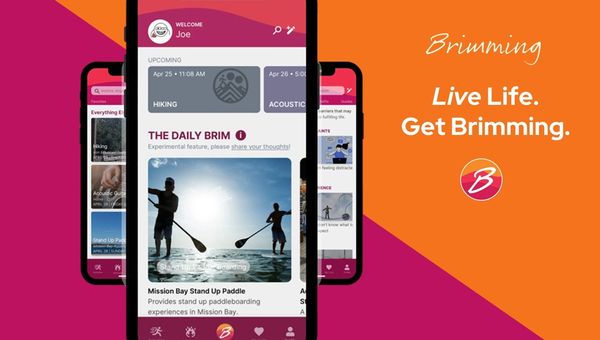
Brim Living (Brimming): Agentic AI for Real-World Growth
Brim Living’s Brimming app blends agentic AI and human expertise to help people build habits, stay motivated, and act on personalized recommendations—turning intention into lasting behavior change.
View case study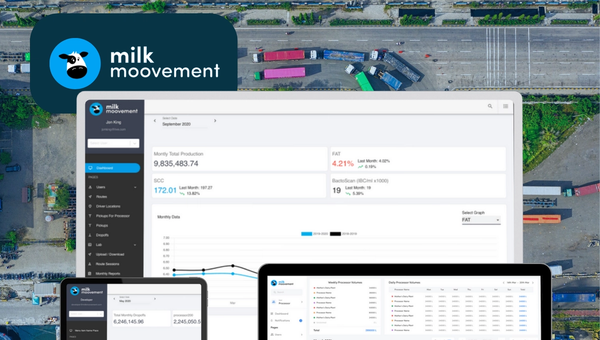
Milk Moovement: The Operating System for Modern Dairy Co-ops
Milk Moovement is a cloud platform that gives dairy co-ops a real-time command center—from farm pickup to plant intake. It streamlines routing and scheduling, unifies quality and volume data, and automates complex payments, replacing spreadsheets with a single source of truth. The result: fewer miles, faster payouts, and smarter decisions across the dairy supply chain.
View case studyWhere native mobile app projects usually get stuck
Many mobile projects do not fail because the idea is weak. They stall because the app strategy, delivery model, or user workflow is not clear enough early on.
The most common native mobile delivery problems:
No clear native mobile strategy
The team knows mobile matters, but not whether to start with iOS, Android, or both, and not how to shape a realistic first release.
An existing app no longer reflects the product
The mobile experience feels dated, clunky, or disconnected from what the product has become.
UX that looks acceptable but feels hard to use
The app may technically work, but users still hesitate, drop off, or avoid key actions.
Delivery risk rises close to launch
Testing happens too late, release readiness is weak, and the team starts finding critical issues when time is already tight.
Backend and mobile workflows do not connect cleanly
Data sync, third-party integrations, permissions, and operational dependencies create friction that was not handled properly up front.
The current codebase slows every future decision
Simple changes take too long, quality drops with each release, and the roadmap starts bending around technical limitations.
These are the delivery problems that make native mobile app projects harder when the scope, delivery model, and workflow are not clear enough from the start.
Why businesses move on native mobile work now
This kind of project usually gets approved when mobile stops feeling optional and starts affecting product quality, operational efficiency, or growth.
The product needs a stronger mobile channel
A web-first experience is no longer enough for how users want to engage.
The current app is hurting confidence
The app may still be live, but its UX, reliability, or speed now works against the business.
Internal teams cannot absorb the work cleanly
The roadmap already has enough pressure, and mobile needs focused execution rather than part-time attention.
Workflow quality matters more than feature count
The business needs the app to support real task completion, not just technically exist in the store.
Maintaining the current app is getting expensive
Every release costs too much effort because the app foundation is no longer holding up.
What BitBytes native mobile app development services are designed to do
BitBytes publicly describes its mobile delivery around planning, architecture, native development, integration, testing, launch, and post-launch support. The practical value of that model is not ‘full service’ as a slogan. It is having the right decisions made in the right order so the app is usable, supportable, and launch-ready.
How We Deliver
5 stepsFrom product strategy to live native app
Product strategy and scope definition
Start by clarifying the app's job, the priority workflows, the release boundary, and what version one actually needs to prove.
Native iOS app development
Build for iPhone and the broader iOS ecosystem when product quality, interface behavior, and long-term maintainability need a platform-specific approach.
Native Android app development
Support Android users with an experience shaped for the platform rather than a thin translation of another interface.
Backend integrations, QA, and launch support
Make the app useful in context by connecting it to the right systems, testing it against real usage, and preparing it properly for release.
Native app modernization and post-launch support
Improve the product after launch with cleaner iteration, better performance, and a roadmap that is no longer blocked by fragile mobile foundations.
How the native mobile app delivery process works
BitBytes' public mobile services page lays out a sequence that starts with discovery and planning, moves through design, native development, backend integration, testing, launch, and post-launch support. That is a sensible structure because it mirrors how mobile risk actually shows up in practice.
Define the product goal and release boundary
Clarify what the app needs to do, who it serves, which workflows matter most, and what success should look like for the first meaningful release.
Plan the native platform scope
Decide whether the work starts with iOS, Android, or both, based on user needs, product constraints, and delivery priorities.
Design the user flows and interaction model
Turn requirements into a mobile experience people can actually move through without friction.
Build the app and connect the systems behind it
Develop the product natively, wire it to the backend, and handle the operational dependencies that make the app useful.
Test against real usage conditions
Validate flows, devices, edge cases, and release quality before launch pressure hides important issues.
Prepare for launch and app store submission
Handle release packaging, submission requirements, and rollout readiness so the launch is controlled rather than improvised.
Improve the app after launch
Use real usage, product feedback, and technical learnings to sharpen performance, add capability, and improve retention over time.
Delivery Outcomes
What you get from this delivery process
Where native mobile app development is especially useful
BitBytes' public mobile services messaging points to product teams working in areas such as healthcare platforms, financial tools, commerce engines, and high-growth startups. For this page, the stronger framing is around environments where the mobile experience has to support meaningful user action or operational execution.
SaaS and digital products
Useful when mobile is becoming a real extension of the product, not just a companion interface.
Logistics and supply chain operations
A strong fit when the app needs to support movement, status updates, coordination, and real-world execution in the field.
Healthcare services and support workflows
Relevant when mobile usability, clarity, and reliability matter because people rely on the app regularly and often under time pressure.
Retail and commerce experiences
Useful when the mobile journey shapes engagement, transactions, retention, or repeat usage.
Internal team and field workflows
A good fit when the app has to help people complete operational tasks faster and with less friction.
What changes after the app is built properly
The strongest outcome is not that the business 'has an app.' It is that the mobile product starts doing its job more cleanly.
App Quality
After launchWhat changes when the app is built properly
Clearer product usability
Users can understand what to do next and complete key actions with less hesitation.
Better release confidence
The team is no longer discovering major issues at the point where launch pressure is highest.
Stronger platform-specific experience
The app behaves more like it belongs on the device instead of feeling adapted from somewhere else.
Cleaner connection to the rest of the product
Backend systems, operational processes, and mobile interactions support each other more effectively.
Easier iteration after launch
New work becomes easier to plan and ship because the mobile foundation is cleaner.
Better fit between the app and real workflows
The product starts supporting how customers or teams actually work, not how the original scope document imagined they might.
Who this service is a strong fit for, and who it is not
Best fit
Not the right fit
Teams building a serious native iOS or Android product with real user or workflow demands
Teams looking for the cheapest possible app build regardless of long-term quality
Businesses modernizing an existing app that is slowing product progress
Buyers who only want a cosmetic reskin with no product or workflow thinking
Product teams that need help shaping scope, delivery, and release quality
Teams that are unwilling to invest in discovery, QA, or launch preparation
Companies that want a partner for launch and post-launch improvement
Projects that treat mobile as a throwaway experiment with no follow-through
What the technical stack should communicate on this page
This section should read like a delivery snapshot, not a vendor wall. The goal is to explain what each layer does, then mention approved technologies only where they help a buyer understand the build.
Product and UX layer
User flows, screen logic, interaction design, and product decisions shaped around actual mobile usage.
iOS development layer
Native iOS application development for performance-sensitive and platform-specific experiences. Example technologies may include Swift and SwiftUI where approved.
Android development layer
Native Android development for teams that need strong device support, platform alignment, and maintainable Android delivery. Example technologies may include Kotlin and Jetpack Compose where approved.
Backend and integration layer
APIs, authentication, data sync, notifications, and third-party connections that make the app useful in the wider product or operational environment.
QA, analytics, and observability layer
Functional testing, device testing, crash monitoring, event tracking, and release checks that reduce avoidable launch risk.
Release, maintenance, and delivery base
App Store and Google Play release support, CI/CD where appropriate, versioning, handoff readiness, and post-launch improvement workflows.
Frequently Asked Questions
Common questions about native mobile app development services, what they include, and how to get started.
Start with a discovery call built around the product decision
A strong first conversation should make the scope clearer, not make the commitment feel heavier.
Book a Discovery Call
with a Mobile App Development Expert
30 minutes • Implementation ready