Keep your product stable, supported, and moving forward
BitBytes provides product support and maintenance services for startups, scaleups, and product teams that need dependable post-launch engineering support. We help teams handle bug fixes, proactive maintenance, release support, monitoring, performance work, and small product improvements without letting support work overwhelm the roadmap.









What product support and maintenance services actually help you control
Support issues stop pulling roadmap work off course every week.
Releases become easier to manage with clearer testing, ownership, and post-release follow-through.
Product health improves through ongoing maintenance, monitoring, dependency upkeep, and performance work.
Internal teams get practical support coverage without rushing into full in-house expansion.
Live products keep improving through small but important fixes and enhancements that often stall after launch.
Who this service is designed for
This service is built for teams with live products that need ongoing engineering continuity after launch. It helps buyers quickly assess whether BitBytes fits the product, operating model, and support reality they are dealing with now.
Founders with live software in market
This is a strong fit for teams that already have a working product and now need steady support, maintenance, and improvement work to keep operations reliable as usage grows.
Engineering teams balancing roadmap and support
Teams often use this service when their internal developers are spending too much time on bugs, regressions, incidents, and operational follow-through instead of core roadmap priorities.
Teams inheriting a codebase
This is well suited to products that need a structured handoff, technical review, and reliable ongoing support after the original build partner is no longer the right long-term fit.
Products that need release confidence
Products with frequent updates, active users, and operational dependencies often need a more disciplined support and maintenance process than ad hoc bug fixing can provide.
Operators who need continuity without a large team
A good fit usually looks like a business that needs reliable post-launch engineering support now, but does not want to solve the problem only by hiring several full-time roles at once.
Product teams use BitBytes when continuity matters after launch
These case studies show the kind of product environments BitBytes supports - proof of product-minded delivery, ongoing iteration support, and practical engineering continuity.
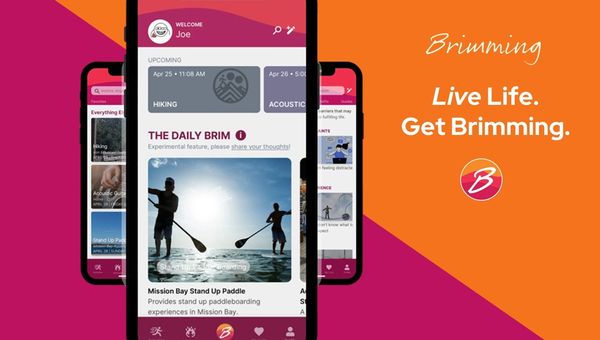
Brim Living (Brimming): Agentic AI for Real-World Growth
Brim Living’s Brimming app blends agentic AI and human expertise to help people build habits, stay motivated, and act on personalized recommendations—turning intention into lasting behavior change.
View case study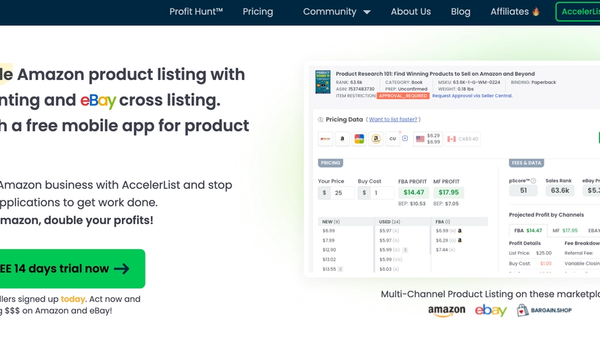
AccelerList — List Faster, Reprice Smarter, Sell on Amazon & eBay
Amazon listing, repricing, and accounting in one tool—plus seamless eBay cross-listing with inventory sync to expand reach without extra busywork.
View case study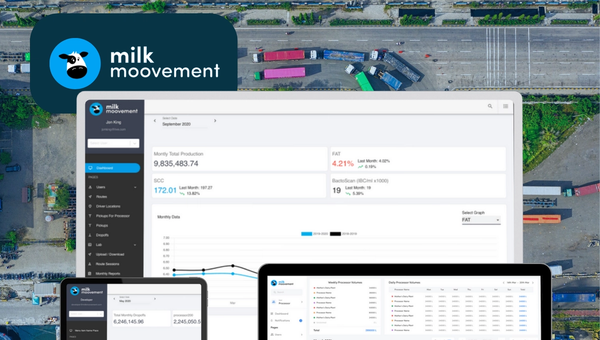
Milk Moovement: The Operating System for Modern Dairy Co-ops
Milk Moovement is a cloud platform that gives dairy co-ops a real-time command center—from farm pickup to plant intake. It streamlines routing and scheduling, unifies quality and volume data, and automates complex payments, replacing spreadsheets with a single source of truth. The result: fewer miles, faster payouts, and smarter decisions across the dairy supply chain.
View case studyWhat makes post-launch support hard to manage internally
Once a product is live, support and maintenance rarely stay small for long. Teams often discover that the real problem is not one urgent issue, but the accumulation of bugs, release risk, maintenance work, and unclear ownership across the product.
The most common post-launch support gaps:
Bugs and support issues keep interrupting roadmap work
Internal teams lose momentum when every sprint is forced to absorb fixes, production issues, and support requests that were never planned into delivery capacity.
Releases start to feel fragile
As products evolve, teams often lose confidence in releases because testing, rollback planning, and post-release follow-through are not handled with enough consistency.
Technical debt and dependency drift keep growing quietly
Maintenance work gets pushed back when new delivery deadlines take priority, which leaves products harder to update, harder to trust, and more expensive to support later.
Observability is not strong enough to catch issues early
Weak monitoring, fragmented logs, and limited alerting make it harder to detect problems quickly and even harder to respond with enough context.
Inherited systems are difficult to own with confidence
A handoff from another vendor or team often leaves gaps in documentation, code familiarity, support workflows, and release confidence.
Small improvements never make it into production
Even when the product is stable enough to operate, the backlog of small but valuable fixes, UX improvements, and cleanup work can keep growing because no one owns that layer of delivery consistently.
These are the kinds of problems that make post-launch support hard to manage with internal bandwidth alone, especially when the product keeps growing.
Why businesses usually invest in support and maintenance now instead of later
Most teams do not buy this service because of one abstract future risk. They buy it when the product is already creating enough operational pressure that delayed action starts costing time, focus, and delivery confidence.
The support backlog is starting to affect product momentum
When unresolved issues keep piling up, the business starts feeling the cost through slower delivery, repeated interruptions, and reduced confidence in the product.
The product has moved from launch mode into scale mode
What worked when the product was smaller often stops working once usage, complexity, and update frequency increase.
Internal teams need to stay focused on roadmap or strategic work
Businesses often buy this now when senior engineers need to prioritize architecture, AI initiatives, platform work, or major product goals instead of absorbing daily support load.
A previous vendor handoff has created ownership risk
Support and maintenance become urgent when the business can no longer rely on the original build setup and needs clearer technical continuity going forward.
Release and compatibility pressure is increasing
As dependencies age, integrations expand, and product usage grows, waiting too long can turn manageable maintenance into riskier stabilization work later.
What product support and maintenance includes
This service is designed to give live products ongoing engineering support that is practical, structured, and commercially useful. The goal is not just to react to problems, but to help teams keep the product stable, maintainable, and moving in the right direction.
Support Board
Live product support overview
Reactive issue resolution
Identify, prioritize, and resolve bugs, production issues, and regressions that affect reliability or user experience.
Proactive maintenance
Dependency updates, tech debt reduction, environment review, and stability work that lowers avoidable support risk over time.
Release and deployment support
Better preparation, clearer testing, and tighter follow-through that reduces disruption when updates go live.
Ongoing product improvement
Small enhancements, quality improvements, and backlog items that help the product keep improving without losing stability.
How BitBytes takes over and runs ongoing support
The process is designed to reduce uncertainty early, establish practical ownership, and move into a steady operating rhythm that fits the product and team setup.
Review the product, codebase, and current support reality
The first step is understanding the product state, known issues, delivery history, architecture context, tooling, and the operating pressures the business is dealing with now.
Define scope, priorities, and support ownership
We align on what support and maintenance should cover, how priorities will be handled, what counts as ongoing maintenance versus enhancement work, and where ownership sits across teams.
Set up access, workflows, and technical visibility
This includes getting access to code, environments, issue tracking, release workflows, monitoring, and the systems needed to work responsibly inside a live product environment.
Stabilize urgent issues and reduce immediate risk
Where needed, the first phase focuses on stabilizing problem areas, reducing obvious delivery friction, and creating a more reliable foundation for ongoing support.
Move into a structured support and maintenance rhythm
Once the basics are in place, the work shifts into regular support execution across issues, maintenance tasks, release support, and agreed improvement work.
Review product health and adjust priorities over time
Ongoing support works best when teams regularly review product health, recurring issues, risk areas, and delivery priorities instead of treating support as a static service.
Support Outcomes
What you get from our product support process
Where this service is especially useful
Product support and maintenance services are most valuable in environments where software is already operating in the real world and needs dependable technical continuity.
SaaS platforms
SaaS products often need ongoing support because uptime, release quality, user trust, and product iteration all matter at the same time.
Operational web applications
Business-critical web applications usually need structured maintenance, issue resolution, and release discipline because even small disruptions can affect internal teams or customers quickly.
Marketplaces and transaction-heavy products
Products with multiple user flows, operational dependencies, or transaction logic benefit from stronger support ownership and more consistent maintenance practices.
Customer-facing portals and service platforms
These environments need stable experiences, dependable updates, and ongoing technical follow-through because user friction tends to surface quickly.
Internal business tools
Internal products often suffer from support neglect because they are not externally marketed, even though they can be essential to day-to-day operations.
Mobile products with active users
Mobile apps often need ongoing maintenance because release coordination, performance, integrations, and platform changes can create support work long after launch.
What this service is designed to improve
The most useful outcomes of support and maintenance are operational, practical, and cumulative. Good support reduces disruption, improves product confidence, and gives the business clearer control over what happens after launch.
Support Quality
After engagementWhat improves with structured support
Fewer unresolved product issues
Problems are identified, prioritized, and worked through with more consistency instead of accumulating across sprints.
Cleaner release cycles
Release work becomes easier to manage when testing, follow-through, and operational ownership are handled more deliberately.
Clearer support ownership
The business gains a more reliable answer to who is handling bugs, maintenance tasks, release follow-through, and product continuity work.
Better visibility into product health
Monitoring, review, and issue tracking give teams stronger visibility into what needs attention and where risk is building.
Less disruption to roadmap delivery
Internal product and engineering teams are better able to focus on planned work when day-to-day support no longer consumes unpredictable capacity.
A more stable user experience over time
Ongoing support and maintenance help reduce repeated friction, protect core workflows, and keep the live product more dependable for real users.
When this service is a strong fit and when it is not
Best fit
Not the right fit
A live product needs ongoing support, maintenance, and structured technical ownership after launch
A business is only looking for a brand new product build with no live support requirement
Internal teams are stretched between roadmap delivery and recurring support pressure
The need is limited to a one-off fix with no ongoing product responsibility
The business needs help stabilizing or supporting an inherited codebase
The team expects guaranteed coverage terms, SLAs, or response promises that have not been agreed upfront
The product needs a practical mix of bug fixing, maintenance, release support, and small improvements
The requirement is so broad and undefined that no meaningful support scope can be established
What the support and maintenance environment can cover
This section should help buyers understand that support is broader than issue fixing alone. Product continuity usually depends on multiple technical layers working together, from application behavior to release workflows and operational visibility.
Product and application layer
Support can include front-end and product behavior issues across web and mobile experiences, including interface defects, workflow friction, and user-impacting problems in live product journeys.
Codebase and dependency layer
Maintenance often includes code health work, dependency updates, framework upkeep, refactoring where justified, and technical debt reduction that helps the product stay supportable over time.
Infrastructure and cloud layer
Where relevant, support can extend into hosting environments, cloud services, deployment setup, and operational configuration that influence product stability and runtime reliability.
Monitoring and incident response layer
Monitoring, logs, alerting, and issue investigation workflows help teams detect, understand, and respond to production issues with more clarity. Common examples may include tools such as Sentry, Datadog, CloudWatch, or Grafana when supported by the product environment.
QA and release layer
Support coverage can include regression checks, release readiness, deployment coordination, and post-release follow-through so product changes are less risky to ship.
Integrations and data flow layer
Products that rely on APIs, third-party systems, data syncs, or backend workflows often need ongoing support in the integration layer because errors there can affect the whole user experience.
Documentation and knowledge continuity layer
Good support becomes easier to sustain when the team improves documentation, clarifies workflows, and reduces the amount of product knowledge trapped in one person or one past vendor relationship.
What Our Clients Say
"BitBytes delivered well-performing solutions that met our quality standards and requirements. They were accommodating of changes in the scope and went the extra mile to deliver top-notch work on time. They were detail oriented and outstanding in their project management and communication."

"BitBytes' work has contributed to more free time for the client to focus on other business matters. The team will go to any extent to provide the best quality. Keeping in touch on a regular basis, they have good communication skills and give feedback to help the client improve."

"BitBytes has delivered the project on time. They have communicated clearly and frequently, ensuring an effective workflow. They have been knowledgeable, technical, and experienced. Their high-quality work and timely delivery have been hallmarks of their work."

Frequently Asked Questions
Common questions about product support and maintenance services, what they include, and how to get started.
Get a clearer plan for supporting your product after launch
A discovery call helps clarify what kind of support coverage your product actually needs, where the main risks are, and how BitBytes can fit into your current operating model without overcomplicating the next step.
Schedule a Technical Discovery Call
with a Product Support & Maintenance Expert