Web App Development Services for Products, Portals, and Workflow Systems
BitBytes helps growing businesses design, build, improve, and modernize custom web apps that support real users, real workflows, and real operational needs. This service is built for teams that need more than a brochure site, whether that means a SaaS product, an internal tool, a customer portal, or a workflow-heavy platform that has to hold up in production.






What web app development services actually help you solve
Build custom web apps that fit the workflow instead of forcing the team into workarounds.
Improve active products that need better UX, stronger architecture, cleaner integrations, or faster delivery.
Support web-based systems such as SaaS platforms, internal tools, customer portals, dashboards, and multi-role workflow software.
Modernize legacy products without defaulting to an unnecessary rebuild.
Extend product capacity with a senior-led engineering partner when the internal team needs more execution support.
Who this service is designed for
This service is best suited to teams with real product scope, workflow complexity, or modernization pressure.
Product-led SaaS teams
For companies with an active product that needs new features, better architecture, improved reliability, or a cleaner foundation for the next stage of growth.
Operations-heavy businesses
For businesses where core work runs through approvals, updates, handoffs, reporting, and coordination across multiple systems.
Teams modernizing existing software
For companies with a web app that still matters to the business but has become harder to extend, maintain, or improve safely.
Lean internal engineering teams
For teams with clear priorities but limited capacity, where extra senior execution support helps keep roadmap momentum moving.
Businesses that need integration-heavy workflows
For environments where CRM, helpdesk, ERP, dashboards, internal tools, and communication channels need to work together more cleanly.
GCC-facing and multilingual operations
For businesses serving multilingual users or regional workflows where clarity, usability, and system coordination matter across multiple user types.
Examples of the kinds of web products and platforms we help deliver
These case studies show the range of web app work BitBytes supports, from AI-enabled SaaS experiences to complex operational platforms.
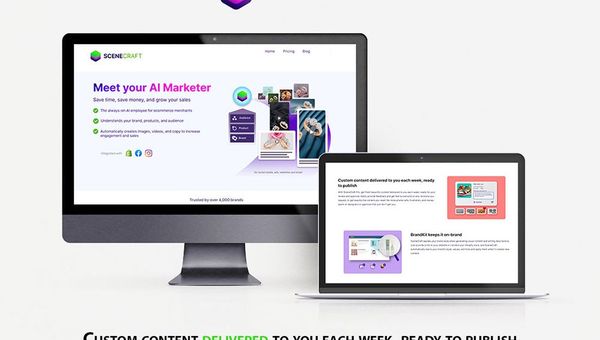
SceneCraft AI — Generate, Refine, and Publish Social Posts at Scale
Create on-brand posts in minutes: generate with custom models, refine with an AI-guided studio, add OpenAI copy, and publish to Instagram—optionally pulling products straight from Shopify.
View case study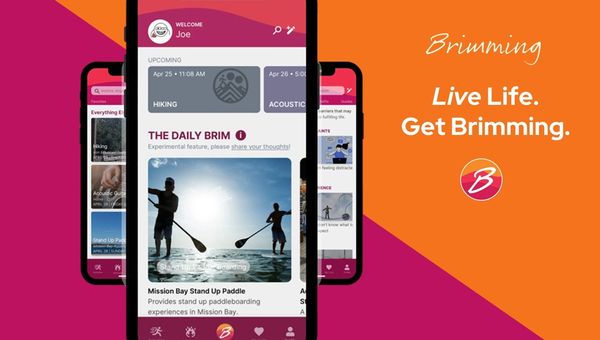
Brim Living (Brimming): Agentic AI for Real-World Growth
Brim Living’s Brimming app blends agentic AI and human expertise to help people build habits, stay motivated, and act on personalized recommendations—turning intention into lasting behavior change.
View case study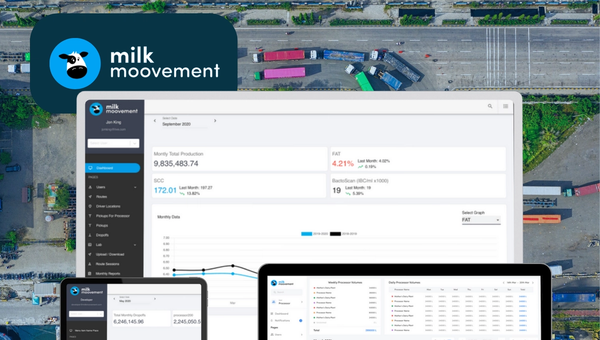
Milk Moovement: The Operating System for Modern Dairy Co-ops
Milk Moovement is a cloud platform that gives dairy co-ops a real-time command center—from farm pickup to plant intake. It streamlines routing and scheduling, unifies quality and volume data, and automates complex payments, replacing spreadsheets with a single source of truth. The result: fewer miles, faster payouts, and smarter decisions across the dairy supply chain.
View case studyCommon problems that push teams toward custom web app development
These are the kinds of problems that usually signal a real need for product work, platform improvement, or workflow-focused software delivery.
The most common web app development friction points:
Disconnected tools are slowing down core workflows
Important work is spread across too many systems, which creates friction, duplicate handling, and weak visibility.
The current product no longer fits how the business operates
The web app may still be in use, but the workflow has changed faster than the product has.
Manual work keeps building around the system
Approvals, updates, routing, status changes, and handoffs still depend on people filling the gaps.
Product delivery is getting harder over time
The team knows what needs to improve, but the codebase is difficult to extend and roadmap progress keeps slowing down.
Legacy architecture turns simple changes into risky work
Even straightforward improvements feel expensive because the technical base is brittle, outdated, or poorly structured.
Complex user flows are harder to use than they should be
The most important workflows inside the product often become the least usable, especially for ops-heavy teams and multi-role environments.
These are the delivery problems that usually indicate a need for custom web app development, platform improvement, or workflow-focused engineering support.
Why teams usually move on this before it gets worse
Buyers rarely start here because of trend pressure. They usually start here because the current setup is already getting in the way.
The business has outgrown rigid tools
What worked early now creates more work, more exceptions, and more process friction.
Delivery speed is starting to matter more
Roadmap pressure builds quickly when the product is active and the team cannot afford slow iteration.
Technical debt is beginning to shape business decisions
Teams start delaying useful improvements because the product base makes change harder than it should be.
Workflow complexity keeps increasing
As teams, systems, roles, and reporting needs grow, patchwork software becomes harder to manage.
Future automation depends on a better product foundation
AI features, deeper integrations, and smarter workflow logic are easier to add when the platform is structured for them.
What BitBytes' web app development services include
We help teams build or improve web apps in a way that matches the product, the workflow, and the delivery reality.
Product discovery and technical planning
We define what needs to be built, what needs to change, and how to structure the work so delivery stays practical.
UX and interface design for real workflows
We focus on the parts of the product people rely on most, including admin areas, dashboards, portals, reporting flows, and task-heavy screens.
Full-stack product development and integrations
We build the frontend, backend, APIs, and system connections needed to support a reliable web product in production.
Modernization, extension, and post-launch improvement
We do not treat every project like a greenfield build. When the product already exists, we improve what matters and reduce delivery friction over time.
The kinds of web apps this service fits best
This service is designed for software that supports real product usage or operational work, not simple marketing sites.
SaaS platforms
For products with active users, ongoing roadmap priorities, and a need for maintainable architecture and scalable feature delivery.
Internal tools and operational dashboards
For software that helps teams manage approvals, workflows, reporting, coordination, or internal visibility more effectively.
Customer and partner portals
For web apps where external users need structured access to information, actions, updates, or service workflows.
Integration-heavy workflow systems
For platforms that need to connect with CRM, helpdesk, ERP, internal systems, or communication tools as part of the product experience.
Multi-role business software
For products where different users need different views, permissions, actions, and responsibilities inside the same platform.
Active products that need modernization
For web apps that still matter to the business but need cleanup, redesign, better structure, or safer long-term maintainability.
How we typically deliver a web app engagement
The process is structured to reduce ambiguity early, build with clarity, and keep the product grounded in real usage.
Clarify the product goal and workflow reality
We start by understanding the business problem, the users, the current workflow, and what the software needs to support.
Review the product state and technical context
If the product already exists, we assess the architecture, codebase, UX issues, integration points, and key delivery risks.
Define scope, priorities, and delivery approach
We shape the work around the most important product needs, rather than treating every possible improvement as phase one.
Design the application flow and interface
We map the user experience, product structure, and interaction logic so the build supports real usage instead of assumptions.
Build the product foundation and core features
We develop the frontend, backend, data layer, and integrations required for the product to work reliably in production.
Test, launch, and improve
We validate the product, support rollout, and continue refining the areas that matter most after launch.
Delivery Outcomes
What you get from this delivery process
What this work is meant to improve
The goal is not just to ship software. The goal is to make the product more useful, more reliable, and easier to evolve.
Product Quality
After deliveryWhat improves when the web app is built right
A better fit between the product and the workflow
The web app supports how the business actually runs instead of forcing extra work around the system.
Faster progress on meaningful product priorities
Teams can move on improvements that matter without getting stuck in avoidable delivery friction.
Cleaner architecture and maintainability
The product becomes easier to extend, support, and improve over time.
Less manual handling across day-to-day work
Important processes depend less on spreadsheets, duplicate updates, and person-to-person coordination.
Stronger UX in the parts of the product people use most
The software becomes easier to use where speed, clarity, and consistency matter most.
Better readiness for scale, automation, and AI features
A stronger product base makes it easier to add deeper integrations, smarter workflows, and future automation later.
Who this service is the right fit for and when it is not
Best fit
Not the right fit
Teams with an active product, portal, or internal platform that needs serious implementation work
Businesses looking for a simple brochure website
Buyers with clear workflow, product, or modernization needs
Projects with ultra-low budgets and commodity expectations
Companies that need a partner to handle architecture, UX, engineering, and integration work with real ownership
Vague exploratory requests with no clear owner or decision-maker
Internal teams that need senior execution support to keep delivery moving
Buyers comparing vendors only on hourly rate
A practical stack for modern web app delivery
The exact stack depends on the product, but we usually explain it by function first so buyers can understand how the pieces fit together.
Product interface layer
Product structure, user journeys, and interface design for dashboards, portals, multi-role screens, and workflow-heavy experiences.
Frontend application layer
Responsive application interfaces built for real product usage. Common examples include React, Next.js, Vue, and TypeScript.
Backend and service layer
Business logic, APIs, permissions, workflow rules, and application services built with tools such as Node.js, Python, or Laravel where appropriate.
Data and storage layer
Structured data models and storage choices that support reporting, product logic, and scale, often using systems such as PostgreSQL or MongoDB.
Integration layer
Connections across third-party and internal systems, including CRM, helpdesk, ERP, payment, communication, or operational tools through APIs and service logic.
Infrastructure and DevOps layer
Deployment environments, release pipelines, cloud configuration, and operational setup using tools and platforms suited to the product's complexity.
QA and observability layer
Testing, issue tracking, monitoring, and visibility practices that help the product stay stable as it evolves.
Recommended delivery base
A senior-led, compact product team that can move from discovery through implementation without unnecessary process overhead.
Frequently Asked Questions
Common questions about web app development services, what they include, and how to get started.
Start with a clearer view of what the product needs
A good first conversation should reduce uncertainty, not add more of it. We use the next step to understand the product, the workflow, and the most sensible delivery approach.
Schedule a Technical Discovery Call
with a Web App Development Expert