AI Knowledge Base Solutions for Teams That Need Accurate Answers From Their Own Knowledge
Turn your documentation, SOPs, and internal knowledge into retrieval-backed assistants that deliver grounded answers. Built for support, operations, and enablement teams that need fast, accurate access to company knowledge.









Who AI knowledge base solutions are best suited for
This service is designed for teams that already have valuable knowledge, but struggle to make it easy to find, use, and trust at speed. The best fit usually includes businesses with real documentation volume, recurring questions, and operational pressure to improve answer quality.
Quick fit check
Does your situation match?
Support teams with high-volume knowledge requests
Teams that need a better way to surface trusted answers across help docs, internal notes, and product guidance instead of manual lookup.
Operations teams with SOP-heavy processes
Teams that depend on process docs, policy references, and handoff rules across multiple tools - and need faster access in live workflows.
SaaS teams with product documentation
Product-led businesses that need retrieval-backed answers grounded in help centers, onboarding content, and product docs.
Internal enablement and onboarding teams
Teams repeatedly answering the same questions about policy, tool usage, or procedures - where a knowledge assistant can improve self-serve access.
Businesses needing embedded workflow assistants
Teams that need answers available where work happens - in support workspaces, portals, admin interfaces, or product environments.
Companies moving past generic AI experiments
Businesses that need a reliable, source-aware approach tied to their own documentation, permissions, and operating context.
Why businesses are investing in AI knowledge base solutions now
Interest in this category usually comes from operational pressure, not novelty. Teams buy now when manual knowledge access has become too slow, too inconsistent, or too expensive to scale well.
Support volume keeps growing while answer quality still matters
As support teams handle more questions across more channels, the cost of slow or inconsistent answers increases. Businesses buy this now when they need better self-serve and better agent support without lowering answer quality.
Knowledge is spread across too many systems
Many teams already have the information they need, but it lives across help centers, SOPs, internal docs, PDFs, shared drives, and product content. Businesses move on this when fragmented knowledge starts creating real workflow friction.
Generic AI answers are not good enough for real operations
Businesses often realize that a general-purpose chatbot is not enough once they need source-grounded answers, clearer boundaries, and more trustworthy responses. Budget tends to appear when reliability matters more than novelty.
Teams need faster onboarding and internal self-serve
Operations, enablement, and support teams often buy this when repeated internal questions are slowing down delivery, training, or execution. The need becomes clearer as headcount grows or processes become more complex.
Leadership wants AI tied to real business workflows
Many companies are under pressure to show practical AI value, not just experimentation. AI knowledge base solutions make sense when the business wants a concrete use case tied to support efficiency, knowledge access, onboarding, or process execution.
What AI knowledge base solutions help teams solve in practice
Surface trusted answers from docs, SOPs, and internal systems.
Reduce manual lookup for support and operations teams.
Ground answers in company knowledge, not generic model output.
Serve both internal teams and customer-facing self-serve.
Lay a governed foundation for AI rollout with evaluation and iteration.
Related product and workflow delivery examples from BitBytes
The examples below show the kind of product thinking, implementation discipline, and workflow awareness that matter when building AI knowledge systems.
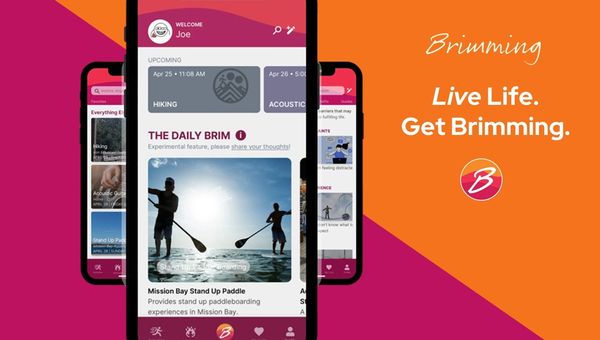
Brim Living (Brimming): Agentic AI for Real-World Growth
Brim Living’s Brimming app blends agentic AI and human expertise to help people build habits, stay motivated, and act on personalized recommendations—turning intention into lasting behavior change.
View case study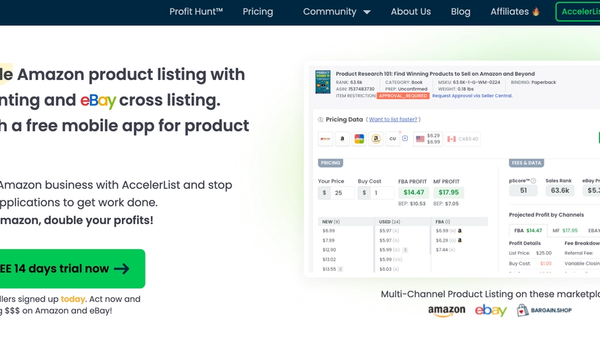
AccelerList — List Faster, Reprice Smarter, Sell on Amazon & eBay
Amazon listing, repricing, and accounting in one tool—plus seamless eBay cross-listing with inventory sync to expand reach without extra busywork.
View case study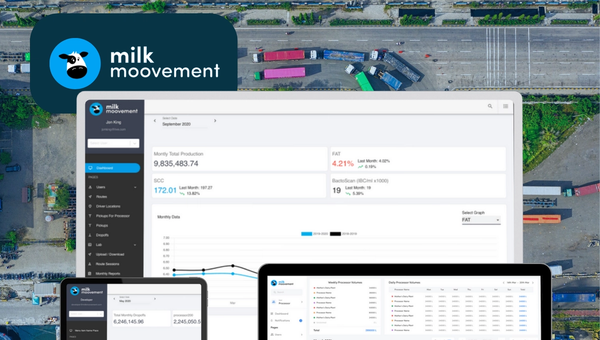
Milk Moovement: The Operating System for Modern Dairy Co-ops
Milk Moovement is a cloud platform that gives dairy co-ops a real-time command center—from farm pickup to plant intake. It streamlines routing and scheduling, unifies quality and volume data, and automates complex payments, replacing spreadsheets with a single source of truth. The result: fewer miles, faster payouts, and smarter decisions across the dairy supply chain.
View case studyThe business problems AI knowledge base solutions are meant to fix
Most teams do not have a knowledge problem because information is missing. They have a knowledge problem because the right information is hard to find, hard to trust, or hard to use when work is happening.
Fragmented knowledge across tools and teams
Important information often lives across help centers, internal docs, PDFs, CMS content, chat threads, shared drives, and process notes. That makes it harder for teams and users to get complete answers quickly.
Slow manual lookup during live work
Support agents, operations teams, and internal stakeholders lose time searching for answers across multiple systems. The cost is not just time spent searching, but slower decisions and weaker consistency.
Inconsistent answer quality across people and channels
When different team members answer from different versions of the truth, users get mixed guidance. This creates support friction, internal confusion, and more repeat questions.
Weak search and retrieval experiences
Traditional search often depends on exact phrasing, document structure, or user patience. When retrieval is weak, people stop trusting the knowledge layer and fall back to manual escalation.
Governance and access concerns around sensitive information
Not all knowledge should be available to everyone. Businesses need clearer boundaries around which sources are included, who can access what, and how internal knowledge is surfaced safely.
Stale knowledge and low visibility into what users are asking
Even strong documentation loses value when it is outdated or disconnected from real usage patterns. Teams also need visibility into recurring questions, missed answers, and weak spots in the knowledge base.
Sounds familiar? We have helped teams turn scattered knowledge into structured, retrieval-backed systems that improve answer quality and reduce manual lookup.
What BitBytes builds as part of an AI knowledge base solution
BitBytes helps businesses build retrieval-backed knowledge experiences that are designed around real workflows, real source systems, and realistic rollout needs. The goal is not to add a generic AI layer, but to make company knowledge more useful and more usable.
Retrieval-backed answer experiences grounded in your sources
We help build AI knowledge experiences that retrieve from approved documentation, SOPs, product content, and internal business sources so responses are tied to company knowledge rather than generic model memory.
Ingestion and structuring for messy knowledge environments
A useful AI knowledge base depends on how content is gathered, cleaned, segmented, organized, and refreshed. This includes thinking through the quality of source material, document structure, and update patterns.
Workflow-aware delivery and system integration
For many teams, the experience needs to live inside a support workflow, internal portal, admin surface, or product environment. We design solutions that fit how teams already work rather than forcing knowledge access into a disconnected interface.
Governance, evaluation, and ongoing improvement
A usable system needs more than launch. It needs access boundaries, answer-quality review, observability, and a plan for improving weak areas over time as user behavior and source content evolve.
How BitBytes approaches AI knowledge base delivery
The delivery process is designed to reduce guesswork and make the rollout practical. That usually means starting with knowledge realities, then defining the experience, validating answer quality, and improving from live usage.
Audit the knowledge sources and decision paths
The first step is to understand what content exists, where it lives, who uses it, which questions matter most, and where current lookup or support friction is happening.
Define the assistant or search experience around the real use case
Next comes scoping the actual experience, whether that is an internal assistant, support knowledge layer, embedded self-serve assistant, or a more workflow-specific interface.
Design the ingestion, retrieval, and source-grounding approach
This step focuses on how documents are structured, indexed, retrieved, and grounded so the system can return more useful answers from the right sources with the right access boundaries.
Build integrations and delivery surfaces
Once the retrieval model is defined, the experience can be connected to the right systems and surfaced where teams or users need it, such as internal portals, support environments, or product workflows.
Validate answer quality before broad rollout
Before launch, the system should be tested against real question sets, known edge cases, and weak-answer scenarios so quality issues can be addressed before trust is lost.
Launch with observability and feedback loops
Launch works better when teams can see what users are asking, where retrieval breaks down, which sources perform well, and where escalation or handoff patterns appear.
Improve the knowledge layer over time
After launch, the system can be refined through better content structure, updated source coverage, stronger evaluation, and better alignment between questions, answers, and actual business workflows.
Delivery Outcomes
What you get from the knowledge base process
Where AI knowledge base solutions are especially useful
This kind of solution is most valuable in environments where teams depend on documentation, repeated questions, process knowledge, or fast access to trusted answers.
B2B SaaS support and product documentation environments
SaaS teams often need to connect help content, onboarding resources, release guidance, and product docs into a more useful knowledge layer for both customers and internal teams.
Operations and SOP-heavy environments
When daily work depends on process documentation, rule-based decisions, and repeatable execution, a knowledge assistant can reduce lookup friction and improve process consistency.
Customer support and agent-assist environments
Support organizations benefit when trusted answers are easier to surface during live conversations, especially when knowledge is spread across multiple content types and systems.
Internal onboarding and policy lookup environments
Internal teams often need faster access to policy guidance, tool usage instructions, training content, and process documentation without relying on manual handholding.
Marketplace, ecommerce, and workflow-driven product environments
Teams operating in fast-moving product and support environments often need a better way to connect operational knowledge, product guidance, and support information in one experience.
What a well-scoped AI knowledge base solution can improve
The outcomes below are practical improvements businesses usually care about when they invest in this category.
Faster access to trusted answers
Teams and users spend less time hunting through multiple systems when the right knowledge is easier to retrieve from one experience.
Lower manual lookup effort across support and operations
Repeated questions and routine knowledge retrieval become less dependent on manual searching, forwarding, or internal escalation.
More consistent answers across people and channels
A grounded knowledge layer helps reduce the variation that happens when different people answer from different versions of the truth.
Better internal self-serve for recurring process and policy questions
Internal teams gain a more useful way to find guidance on onboarding, SOPs, tool usage, and operational process questions.
Stronger visibility into knowledge gaps and user demand
With the right observability, teams can learn what people are asking, where answers are weak, and which content areas need improvement.
A more credible path to governed AI rollout
Instead of scattered experimentation, businesses can move toward a more structured AI implementation grounded in approved knowledge sources and clearer operational boundaries.
When this is a strong fit and when it is not
Best fit
Not the right fit
Teams with large or fragmented documentation sets that already affect support, operations, or internal enablement
Teams looking for a generic chatbot with no clear knowledge sources or workflow purpose
Businesses that need grounded answers from approved company knowledge, not broad model-generated responses
Businesses expecting guaranteed business results without investing in source quality, evaluation, or maintenance
Organizations that want the experience integrated into real tools, portals, or support environments
Very small teams with minimal documentation and no recurring knowledge-access problem
Buyers who care about access boundaries, answer quality, and long-term usability
Buyers looking for a one-click enterprise AI rollout with no scoping, governance, or implementation work
How the technical stack is typically structured
The stack should be explained by function first, not by vendor list.
Application layer
This is the interface where users interact with the system, such as an embedded assistant, internal knowledge portal, support workspace component, or product interface.
Ingestion and parsing layer
This layer handles how source material is collected, parsed, normalized, and prepared for retrieval.
Retrieval layer
The retrieval layer determines how the system finds relevant information from indexed sources.
Vector store layer
This layer supports semantic indexing and retrieval over embedded content.
Model and orchestration layer
This layer handles prompt orchestration, answer generation, and system logic around grounded responses.
Integration and access-control layer
This is where the solution connects to CMS, CRM, ERP, help center, documentation, or collaboration tools while respecting role-based access.
Observability and evaluation layer
A production-minded system needs visibility into answer quality, missed queries, weak retrieval patterns, and usage behavior.
Frequently Asked Questions
Common questions about AI knowledge base solutions
Talk through the use case, source systems, and rollout fit
A good next step is a practical conversation about what the business is trying to solve, where the knowledge lives today, and what kind of AI knowledge experience would actually be useful.
Book a Discovery Call
with an AI Knowledge Base Specialist