Product Modernization Solutions for teams improving architecture, UX, and delivery speed
Modernize existing software that has become harder to maintain, slower to release, or less effective for users. We help teams evolve architecture, UX, and delivery foundations without losing business continuity.






What product modernization solutions actually help improve
A product that is easier to maintain and extend
Faster releases with less delivery drag
Better user experience across critical workflows
A stronger platform foundation for integrations, scale, and future capabilities
A phased modernization path that reduces unnecessary disruption
Why product modernization becomes urgent before the product fully breaks
Modernization usually becomes a business decision before it becomes a technical emergency. Teams often invest when the product is still working, but clearly becoming harder to evolve, support, and scale.
Releases are slowing under roadmap pressure
Teams spend more time working around the product than improving it. Modernization reduces the friction in aging foundations.
Tech debt is shaping product decisions
Outdated architecture and brittle workflows limit what teams are willing to build. Modernization restores decision-making based on value, not constraints.
Users expect more than the current UX delivers
A working product can still feel slow or fragmented. UX modernization matters when core workflows no longer support speed or adoption.
Integrations are getting harder to support
Growing products need more connections across systems and data flows. Modernization restores the flexibility the current foundation resists.
Maintenance costs rise without visible value
When engineering time goes to patching and preserving fragile systems, the business pays more just to stand still.
The product needs a foundation for scale
Modernization makes future investments practical - new product lines, cloud improvements, or AI-supported workflows.
Who product modernization solutions are designed for
This service is best suited for teams that already have a working product but know the current version is harder to evolve than it should be. The best fit usually involves real product complexity, real business usage, and real pressure to improve without starting over.
Quick fit check
Does your situation match?
SaaS teams with a mature platform
Platforms limited by technical debt, fragmented workflows, or slowing delivery.
Engineering leaders over business-critical systems
CTOs who need to modernize architecture and reduce risk without destabilizing live operations.
Product leaders focused on UX improvement
Teams with outdated workflows where legacy structure makes improvements harder.
Platform owners under integration pressure
Products needing stronger APIs, cleaner integrations, or better performance at the foundation level.
Workflow-heavy applications
Complex products with multiple user roles that need modernization without disrupting core logic.
Teams that want phased change, not a rebuild
A practical modernization roadmap - not a vague transformation or high-risk rewrite.
Product modernization work buyers can learn from
These case studies show the kind of product environments where modernization work matters most.
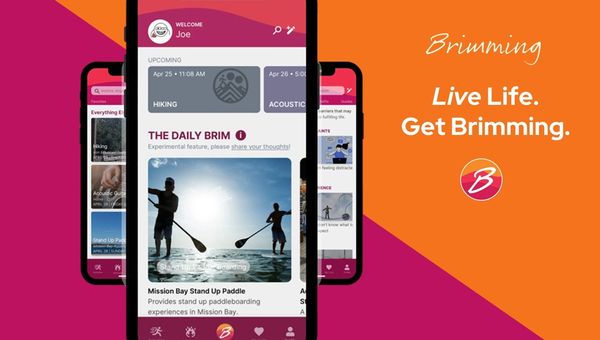
Brim Living (Brimming): Agentic AI for Real-World Growth
Brim Living’s Brimming app blends agentic AI and human expertise to help people build habits, stay motivated, and act on personalized recommendations—turning intention into lasting behavior change.
View case study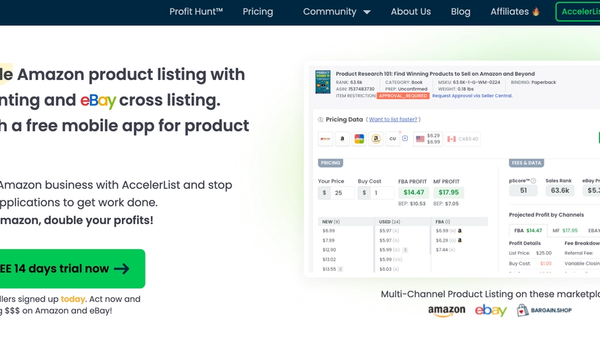
AccelerList — List Faster, Reprice Smarter, Sell on Amazon & eBay
Amazon listing, repricing, and accounting in one tool—plus seamless eBay cross-listing with inventory sync to expand reach without extra busywork.
View case study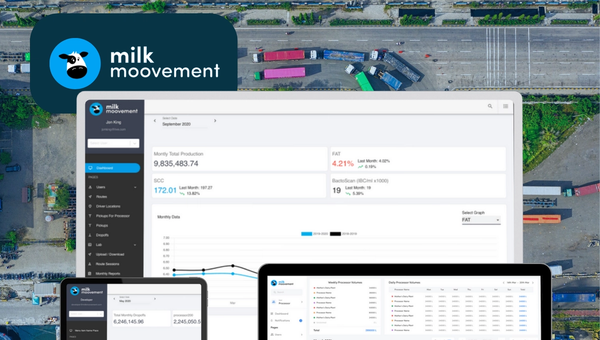
Milk Moovement: The Operating System for Modern Dairy Co-ops
Milk Moovement is a cloud platform that gives dairy co-ops a real-time command center—from farm pickup to plant intake. It streamlines routing and scheduling, unifies quality and volume data, and automates complex payments, replacing spreadsheets with a single source of truth. The result: fewer miles, faster payouts, and smarter decisions across the dairy supply chain.
View case studyCommon product modernization challenges this service is built to solve
Most modernization projects start with a product that still matters to the business but has become harder to improve than it should be. The goal is not change for its own sake. The goal is to remove the friction that keeps the product from evolving well.
Slow release cycles caused by accumulated technical drag
Teams often see release speed drop as architecture, dependencies, and delivery processes become harder to work with. Small changes start taking too long, and roadmap confidence declines.
A brittle product foundation that resists change
Older product structures can make even reasonable improvements feel risky. When changes create unexpected regressions or require heavy coordination, the architecture is usually part of the problem.
Outdated user experience across important workflows
The product may still function, but that does not mean it still supports users well. Workflow friction, visual inconsistency, and interaction gaps can all reduce product effectiveness over time.
Integration bottlenecks that limit product flexibility
As products grow, they often need to work with more tools, services, and internal systems. Poor integration foundations can make partnerships, workflows, and platform expansion harder than they should be.
Rising maintenance effort with limited strategic payoff
Engineering time gets absorbed by firefighting, patching, and supporting older decisions instead of improving the product in visible ways. That creates cost without much forward movement.
Scaling pressure on a product that was not built for current demand
Some products outgrow their original assumptions. Performance issues, operational complexity, and weak observability become more visible as the product serves more users, workflows, or data.
Sounds familiar? We have helped teams modernize products so they are easier to maintain, faster to improve, and better positioned for growth.
How BitBytes approaches product modernization in practical terms
BitBytes helps teams modernize products through focused technical and product improvement work that supports real business use. The service is designed to improve the product foundation and the product experience together, instead of treating them as separate problems.
Modernize architecture without losing the product's useful core
We help assess what parts of the current product should be preserved, where modular restructuring or refactoring makes sense, and where deeper platform change is justified.
Improve workflows and interfaces where the product feels dated
Product modernization often includes UX and workflow improvement, especially in areas where user friction is high and the current product experience slows adoption or task completion.
Strengthen integrations, APIs, and platform flexibility
Where relevant, the service can address brittle integrations, outdated interfaces between systems, and platform constraints that make future product change harder to support.
Improve delivery foundations so the team can move faster after launch
Modernization is not only about the product surface. It also supports cleaner delivery practices, better testing confidence, stronger observability, and a product base the team can evolve more effectively.
How product modernization work typically moves from assessment to rollout
A strong modernization process gives teams clarity before major implementation begins. It should show what matters most, where risk sits, and how to improve the product without creating unnecessary disruption.
Assess the current product, architecture, and workflow constraints
Start by reviewing the product state, delivery pain points, user workflow issues, integration constraints, and technical debt that are creating the most friction.
Identify what to preserve, improve, and retire
Map the current product so the team can separate valuable business logic and stable workflows from outdated patterns, weak foundations, and areas that should be replaced.
Prioritize modernization opportunities by business value and delivery risk
Build a modernization roadmap that balances user impact, platform value, engineering effort, and operational risk instead of treating all product issues as equally urgent.
Design the target experience and technical direction
Define the future state for product workflows, interface improvements, architectural changes, integration patterns, and delivery foundations in a way the team can execute clearly.
Implement in phases that support continuity
Roll out modernization work in practical stages so the product can keep serving the business while improvements are introduced deliberately.
Validate performance, usability, and operational behavior
Test whether the modernization work improves the product in the places that matter most, including workflow quality, release reliability, maintainability, and scale readiness.
Create a stronger base for ongoing product evolution
The final goal is not only a better current state. It is a cleaner foundation that helps the product team keep improving the product with less friction going forward.
Delivery Outcomes
What you get from the modernization process
Where product modernization solutions are especially relevant
Product modernization is often most valuable in environments where the software is already important to operations, revenue, or user experience, but the current foundation is slowing progress.
B2B SaaS products
SaaS teams often need modernization when mature products become harder to maintain, slower to release, or less competitive from a workflow and usability perspective.
Marketplace and multi-role platforms
Products with multiple user types, dependent workflows, and layered business rules often benefit from careful modernization that improves clarity without breaking essential logic.
Logistics and supply chain software
Operational software often accumulates complexity over time. Modernization helps improve workflow speed, reliability, visibility, and platform maintainability in systems that cannot tolerate careless change.
Internal business systems
Internal platforms can become critical to business operations while remaining under-modernized. This service fits teams that need to improve performance and maintainability without replacing everything at once.
Workflow-heavy digital products
Applications built around task completion, coordination, approvals, or operational processes often need both UX and architectural modernization to keep pace with business demands.
Products under scale, integration, or delivery pressure
When a product is growing in usage, connected systems, or roadmap demands, modernization helps restore flexibility before the product foundation becomes a larger constraint.
What product modernization solutions are intended to improve
A strong modernization engagement should lead to clearer, more practical improvements across the product, the platform, and the team's ability to keep moving.
A more maintainable product foundation
The product becomes easier to understand, support, and extend, which reduces the drag created by older architecture and fragile code paths.
Faster and more reliable delivery
Teams can make changes with more confidence, less rework, and less friction from outdated delivery patterns or unstable dependencies.
A better user experience in core workflows
Modernization helps improve the product where users feel the friction most, making important tasks easier to complete and easier to support.
Greater flexibility for integrations and platform growth
A stronger foundation makes it easier to connect systems, support new product directions, and evolve the platform without compounding existing problems.
Lower operational drag across product and engineering work
Less time is spent working around legacy limitations, which helps teams focus effort on meaningful product progress instead of preserving inefficient patterns.
A cleaner base for future product investment
Modernization creates better conditions for future features, platform improvements, cloud evolution, and AI-ready product initiatives where relevant.
When this is a strong fit and when it is not
Best fit
Not the right fit
A live product is important to the business, but the current foundation is slowing delivery, usability, or scale.
The business wants a vague innovation project without a real product problem, priority, or operational constraint.
The team wants phased modernization with practical prioritization instead of jumping straight to a full rebuild.
The only acceptable outcome is an immediate full rebuild, regardless of business continuity or delivery risk.
Product leaders and engineering leaders both see the need to improve workflows, architecture, or platform reliability.
The organization is not ready to make product, technical, or delivery decisions based on clear tradeoffs.
There is real value in preserving useful parts of the product while improving what no longer serves the business well.
The product has no meaningful strategic value left and should simply be retired instead of modernized.
How the modernization architecture and delivery stack is typically framed
This section explains the modernization stack by functional layer first, then uses representative technology examples where helpful.
Experience layer
Modernized interfaces, workflow surfaces, design systems, and frontend patterns that improve usability, speed, and consistency.
Application and domain layer
Business logic, services, modular application structure, and product behavior that need to be easier to maintain and evolve.
Integration and API layer
APIs, external service connections, internal platform integrations, and system communication patterns that support flexibility.
Data and storage layer
Data structures, persistence choices, reporting dependencies, and data access patterns.
Cloud and infrastructure layer
Hosting, deployment environments, scaling patterns, infrastructure reliability, and runtime considerations.
Delivery and quality layer
CI/CD, release workflows, automated testing, code quality practices, and deployment confidence mechanisms.
Observability, security, and governance layer
Monitoring, logging, alerting, access controls, operational visibility, and delivery guardrails.
Frequently Asked Questions
Frequently asked questions about product modernization solutions
Start with a focused modernization conversation
A useful first step is a practical discussion about the product you have today, the friction your team is dealing with, and the modernization path that makes the most sense for your business.
Book a Modernization Discovery Call
with a Product Modernization Expert