

TL;DR
Healthcare practices lose revenue every time a patient call goes to voicemail. With 40% of medical appointments booked outside standard business hours, clinics and health systems that rely on front-desk staff alone are leaving money on the table and frustrating patients in the process.
AI voice agents solve this by answering every call instantly, scheduling appointments in real time, handling patient intake, and managing routine inquiries - all while staying HIPAA compliant. The best platforms integrate directly with your EHR, verify insurance mid-call, and hand off to human staff when the situation demands it.
Below, we compare the 5 best AI voice agents for healthcare in 2026: CloudTalk, Leaping AI, Brilo AI, Thoughtly, and Numa. Each is evaluated on compliance, integrations, healthcare-specific features, and pricing so you can pick the right fit for your practice.
Table of Contents
Best 5 AI Voice Agents for Healthcare (Quick Comparison)
| Platform | Best For | HIPAA Compliant | EHR Integration | Starting Price |
|---|---|---|---|---|
| CloudTalk | Mid-size clinics needing enterprise-grade VoIP + AI | Yes (BAA available) | HubSpot, Salesforce, EHR systems | $25/user/month + $0.50/min AI |
| Leaping AI | Large practices wanting white-glove enterprise deployment | Yes | Epic, NextGen, Athenahealth, Cerner | Custom (from ~$2,500/month) |
| Brilo AI | Small practices needing affordable 24/7 intake coverage | Yes | Epic, Athenahealth, Kareo | Free plan; paid from $49/month |
| Thoughtly | Non-technical teams wanting no-code voice agent setup | Yes (SOC 2 Type II) | Salesforce, scheduling tools | Free plan; contact sales |
| Numa | Service businesses needing SMS-first missed call recovery | Limited | DMS (CDK Global, DealerSocket) | Custom (est. $200-400+/month) |
1. CloudTalk
What it does
CloudTalk is a cloud-based business phone system with an AI voice agent called CeTe built specifically for healthcare workflows. CeTe acts as a 24/7 digital worker that qualifies new patients, answers clinical FAQs, manages rebooking, and handles multi-step medical history intake directly inside your EHR. The platform runs on enterprise-grade, HIPAA-compliant VoIP infrastructure with carrier-grade uptime and sub-800ms conversation speeds even during high-volume periods.
Why teams use it
Healthcare teams choose CloudTalk because it combines a full-featured call center platform with a purpose-built AI voice agent. Rather than bolting AI onto a basic phone system, CeTe operates natively within CloudTalk's VoIP infrastructure. This means call quality, routing, analytics, and AI all work together without third-party wrappers that can introduce latency or compliance gaps.
What it's good for
CloudTalk excels at patient intake automation, appointment scheduling and rebooking, real-time insurance verification, clinical FAQ handling, and inbound call qualification. The AI agent can pre-qualify new patients, check insurance eligibility mid-call with encrypted data handling, and create patient files in your CRM or EHR right on the call.
When it's a good fit
CloudTalk is ideal for mid-size clinics and multi-provider practices that already use or need a professional call center platform and want AI layered on top. It works well for organizations that handle high call volumes across multiple departments and need advanced routing, call monitoring, and analytics alongside AI automation.
When it's not a good fit
CloudTalk may be too complex for solo practitioners or very small clinics that just need basic appointment scheduling. The per-user pricing model plus AI usage charges can add up for teams that only need a simple voice agent without a full call center platform. If your primary need is outbound appointment reminders rather than inbound call handling, more lightweight tools may be a better match.
How to use it
Sign up for a CloudTalk plan and configure your phone system with call routing rules. Set up the CeTe AI voice agent through the dashboard by defining patient intake workflows, scheduling rules, and FAQ responses. Connect your EHR or CRM integration. Test with a pilot department before rolling out across the practice. CloudTalk provides onboarding support and templates for common healthcare workflows.
Key capabilities
CloudTalk's healthcare-specific capabilities include HIPAA-compliant VoIP infrastructure with end-to-end encryption and secure data storage, BAA support, multi-step medical history intake that collects structured data autonomously, real-time insurance verification with encrypted data handling, automatic call distribution and intelligent routing, call recording with encrypted audit trails, live call monitoring with whisper coaching for training, and CRM/EHR integration with platforms like HubSpot, Salesforce, and major EHR systems.
Pricing
CloudTalk's base plans start at $25/user/month (Starter) when billed annually, scaling to $35/user/month (Essential) and $50/user/month (Expert). The AI Voice Agent (CeTe) is priced separately starting at $350/month for 1,000 minutes, with on-demand usage at $0.50/minute and volume discounts bringing additional minutes down to $0.35/minute. Annual billing saves approximately 30%. Add-ons like AI Conversation Intelligence cost $9/user/month extra.
Free tier?
No free tier for the AI voice agent. CloudTalk offers a 14-day free trial of the base platform, but the AI agent requires a separate subscription starting at $350/month. The base call center plans start at $25/user/month with no free plan available.
Downsides / limitations
The pricing structure is layered - you pay per-user for the call center platform plus a separate fee for the AI agent plus per-minute usage charges. This can make total costs difficult to predict. The minimum 3-license requirement on the Expert plan limits flexibility for smaller teams. EHR integrations beyond HubSpot and Salesforce may require custom API work. The platform is feature-rich but can feel overwhelming for teams that only need basic AI call handling.
2. Leaping AI
What it does
Leaping AI is an enterprise-grade AI voice agent platform that deploys human-sounding voice agents for customer service, appointment scheduling, and patient inquiry handling. The platform automates up to 70% of inbound calls while maintaining 90%+ customer satisfaction scores. For healthcare, Leaping AI offers purpose-built voice agents with full HIPAA compliance, EHR integrations, and medical practice-specific workflows for appointment management, patient pre-screening, insurance verification, and prescription refill coordination.
Why teams use it
Healthcare organizations choose Leaping AI for its genuinely human-sounding voice quality and enterprise-level deployment support. The platform is Y Combinator-backed and trusted by companies like Eurowings and Thompson Creek Window Company, giving it credibility for mission-critical call handling. Medical practices specifically value that Leaping AI delivered double-digit appointment bookings within the first week of deployment in documented case studies, capturing revenue that was previously lost to missed calls.
What it's good for
Leaping AI is built for comprehensive medical practice call automation including appointment scheduling and rescheduling, availability checking, patient pre-screening, service explanations, insurance inquiries, prescription refill requests, referral coordination, follow-up reminders, after-hours coverage, and emergency protocol activation. It handles both general practice and specialist workflows including dental, mental health, and multi-location practices.
When it's a good fit
Leaping AI is ideal for larger medical practices, multi-location healthcare companies, and health systems that need enterprise-grade voice AI with white-glove implementation. It's a strong choice when you have high call volumes, no dedicated call center team, and are losing revenue from unanswered calls. The platform shines for organizations that want a hands-off deployment where the Leaping AI team handles setup and optimization.
When it's not a good fit
The enterprise pricing model (starting around $2,500/month) makes Leaping AI inaccessible for solo practitioners and small clinics on tight budgets. The custom pricing requires going through sales, which slows down evaluation. If you need a self-service, low-cost solution you can set up in an afternoon, Leaping AI's enterprise approach will feel too heavy. It also may not suit teams that want full control over agent configuration through a visual builder.
How to use it
Book a demo through the Leaping AI website. The team works with you to understand your practice workflows, call volumes, and integration requirements. They configure the voice agent with your scheduling rules, FAQ knowledge base, and EHR connections. Deployment typically happens within weeks. Leaping AI provides ongoing optimization based on call analytics and patient satisfaction metrics.
Key capabilities
Leaping AI's healthcare capabilities include human-sounding voice AI across 15+ languages, HIPAA compliance with full data protection, integration with Epic, NextGen, Athenahealth, and Cerner EHR systems, real-time provider availability checking across multiple practitioners, appointment type optimization based on patient needs, insurance verification and coverage confirmation, automatic appointment confirmations and reminder systems via phone and SMS, multi-step prompting for complex patient conversations, voicemail detection and appropriate message leaving, call transfer including SIP transfers to human staff, no-code agent builder for workflow customization, automated call summarization and insight extraction, and a centralized analytics dashboard.
Pricing
Leaping AI uses custom enterprise pricing. Industry reports suggest starting costs around $2,500/month per digital call center employee. Pricing is structured as a subscription model based on usage levels and service tiers. Additional costs may apply for customization and integration features. You must book a demo and go through sales for a quote.
Free tier?
No. Leaping AI does not offer a free plan or self-service trial. All access requires going through the sales process for a custom quote based on your practice's specific needs and call volumes.
Downsides / limitations
The lack of transparent pricing makes it difficult to compare costs or get budget approval quickly. The enterprise-focused model means longer sales cycles and setup times compared to self-service platforms. Smaller practices will find the starting price prohibitive. There is no self-serve free trial to test the platform before committing. The platform is relatively newer in the healthcare vertical compared to purpose-built medical AI companies.
3. Brilo AI
What it does
Brilo AI is an AI phone agent platform that automates inbound and outbound calls for businesses across industries, with a dedicated healthcare vertical. The platform handles 24/7 patient call answering, appointment booking and confirmations, patient intake automation, insurance inquiries, rescheduling, and after-hours support. Brilo connects directly to EHR systems including Epic, Athenahealth, and Kareo for real-time schedule and record access.
Why teams use it
Small and mid-size healthcare practices choose Brilo AI because it offers full AI voice agent capabilities at accessible price points with a genuine free plan to test. The platform provides healthcare-specific workflows out of the box without requiring technical expertise to configure. Practices value the direct EHR integrations that allow the AI to automatically update records with patient calls, confirmations, and follow-ups rather than just collecting information for manual entry.
What it's good for
Brilo AI handles 24/7 patient call answering without voicemail, voice reminders and instant appointment confirmations, common query automation including insurance and rescheduling, after-hours support for directions, urgent FAQs, and overflow, patient intake and pre-visit data collection, appointment no-show reduction through automated reminders, and post-call surveys for patient satisfaction tracking.
When it's a good fit
Brilo AI is a strong fit for small to mid-size practices, independent clinics, and specialty offices that need affordable 24/7 call coverage without enterprise complexity. It works well for practices that want to start free and scale up, need direct EHR integration with Epic, Athenahealth, or Kareo, and prefer a platform where they can get started quickly without going through lengthy sales processes.
When it's not a good fit
Brilo AI may not suit large health systems or hospital networks that need advanced call center features like live call monitoring, whisper coaching, or complex multi-department routing. The platform's scope is focused on phone agent workflows rather than being a full call center solution. If you need deep analytics, workforce management, or omnichannel communication (chat, email, SMS from one platform), you may outgrow Brilo's feature set.
How to use it
Sign up for a free account at Brilo AI's dashboard - no credit card required. Configure your AI agent with your practice information, scheduling rules, and common patient queries. Connect your EHR integration. Assign an AI phone number and start receiving calls. The platform provides templates for healthcare workflows to speed up setup. Upgrade to paid plans as your call volume grows.
Key capabilities
Brilo AI's healthcare capabilities include 24/7 AI call answering and patient intake, EHR integration with Epic, Athenahealth, and Kareo, appointment scheduling and real-time confirmation, automated appointment reminders and follow-up calls, insurance inquiry handling, call recording and post-call summaries, webhook support for custom integrations, CSV import for bulk contact management, live agent handoff when human intervention is needed, Spanish-speaking AI phone agents, and self-learning AI that improves from interactions.
Pricing
Brilo AI offers a Free plan with 10 minutes/month and 1 AI agent. The Starter plan costs $49/month with 160 minutes, 1 AI agent, and additional usage at $0.18/minute. The Pro plan costs $149/month with 600 minutes, 3 AI agents, and additional usage at $0.16/minute. The Growth plan costs $499/month with 2,500 minutes, unlimited AI agents, and additional usage at $0.14/minute. A Custom plan is available for 5,000+ minutes with usage at less than $0.14/minute.
Free tier?
Yes. Brilo AI offers a free plan with 10 minutes/month, 1 workspace, and 1 AI agent. No credit card is required. This is enough to test the platform and run a small number of patient calls before committing to a paid plan.
Downsides / limitations
The free tier's 10 minutes/month is useful only for testing, not production use. The Pro plan's 600 minutes may run out quickly for busy practices - a 3-minute average call means roughly 200 calls per month. The platform is newer and less established than enterprise competitors. Advanced call center features like whisper coaching, real-time monitoring, and complex IVR routing are not available. HIPAA compliance details and BAA availability are not prominently documented on the website.
4. Thoughtly
What it does
Thoughtly is a no-code AI voice agent platform that lets non-technical teams build, deploy, and manage voice agents through a visual interface. The platform handles inbound and outbound calls for appointment scheduling, patient intake, call triage, reminders, and department routing. Thoughtly supports omnichannel agent deployment across voice, SMS, and other channels after raising $8M+ to expand into multi-channel capabilities.
Why teams use it
Healthcare teams choose Thoughtly because it removes the technical barrier to deploying voice AI. The no-code agent editor means practice managers, office administrators, and operations staff can build and customize patient call flows without developers. Pre-built conversation templates for common healthcare scenarios like appointment booking, intake questions, and FAQs make setup fast. The platform also supports live agent handoff with full context when human intervention is needed.
What it's good for
Thoughtly is designed for appointment scheduling and rescheduling, pre-visit patient intake, call triage and department routing, appointment reminders and follow-ups, clinical FAQ handling, outbound patient engagement campaigns, and multi-channel patient communication. The visual builder lets you create complex conversation flows with branching logic, conditional responses, and integration actions without writing code.
When it's a good fit
Thoughtly is ideal for small to mid-size practices where the person setting up the AI is not a developer. It works well for organizations that want to iterate quickly on their call flows, test different conversation approaches, and customize the agent without waiting on a vendor's professional services team. The free plan and sales-led paid pricing make it accessible for clinics that want more than a basic answering service.
When it's not a good fit
Thoughtly may not suit healthcare organizations that need deep, native EHR integrations out of the box. While it connects to CRMs like Salesforce and scheduling tools, its healthcare-specific integrations are less mature than platforms like CloudTalk or Brilo AI that advertise direct Epic or Athenahealth connections. If your primary requirement is HIPAA compliance with a signed BAA, verify this directly with Thoughtly's team as their compliance documentation is less prominent than competitors. Large health systems needing enterprise SLAs and dedicated account management may find the platform too lightweight.
How to use it
Sign up for a Thoughtly account and access the no-code agent editor. Use pre-built healthcare templates or build a custom conversation flow using the drag-and-drop visual interface. Define your scheduling rules, connect your CRM or scheduling tool, and configure handoff rules for when human intervention is needed. Test your agent with internal calls before going live. Thoughtly's team provides setup support and templates for common healthcare use cases.
Key capabilities
Thoughtly's capabilities include a no-code visual agent editor with drag-and-drop conversation design, pre-built templates for appointment scheduling and patient intake, inbound and outbound call automation, live agent handoff with full call context, CRM integration with Salesforce and scheduling platforms, call recording and conversation analytics, SOC 2 Type II certification, multi-channel support across voice and SMS, conversation branching with conditional logic, and custom webhook integrations for connecting to other tools.
Pricing
Thoughtly offers a limited free plan for testing and evaluation. All paid plans are custom-priced and managed through Thoughtly's sales team, with voice, SMS, email, and workflows included in every plan. Contact Thoughtly for a demo and pricing based on your practice's needs and call volumes.
Free tier?
Yes. Thoughtly offers a limited free plan for testing and evaluation, plus a 14-day free trial of paid features when you sign up. This is useful for exploring the no-code builder and testing basic conversation flows before committing to a paid plan.
Downsides / limitations
The free plan is limited and only useful for testing. Healthcare-specific EHR integrations are not as deep as purpose-built medical platforms. HIPAA compliance and BAA availability are not prominently documented - verify directly before deploying with patient data. The platform's omnichannel features are still expanding after recent funding. All paid pricing requires sales engagement, making it difficult to compare costs quickly.
5. Numa
What it does
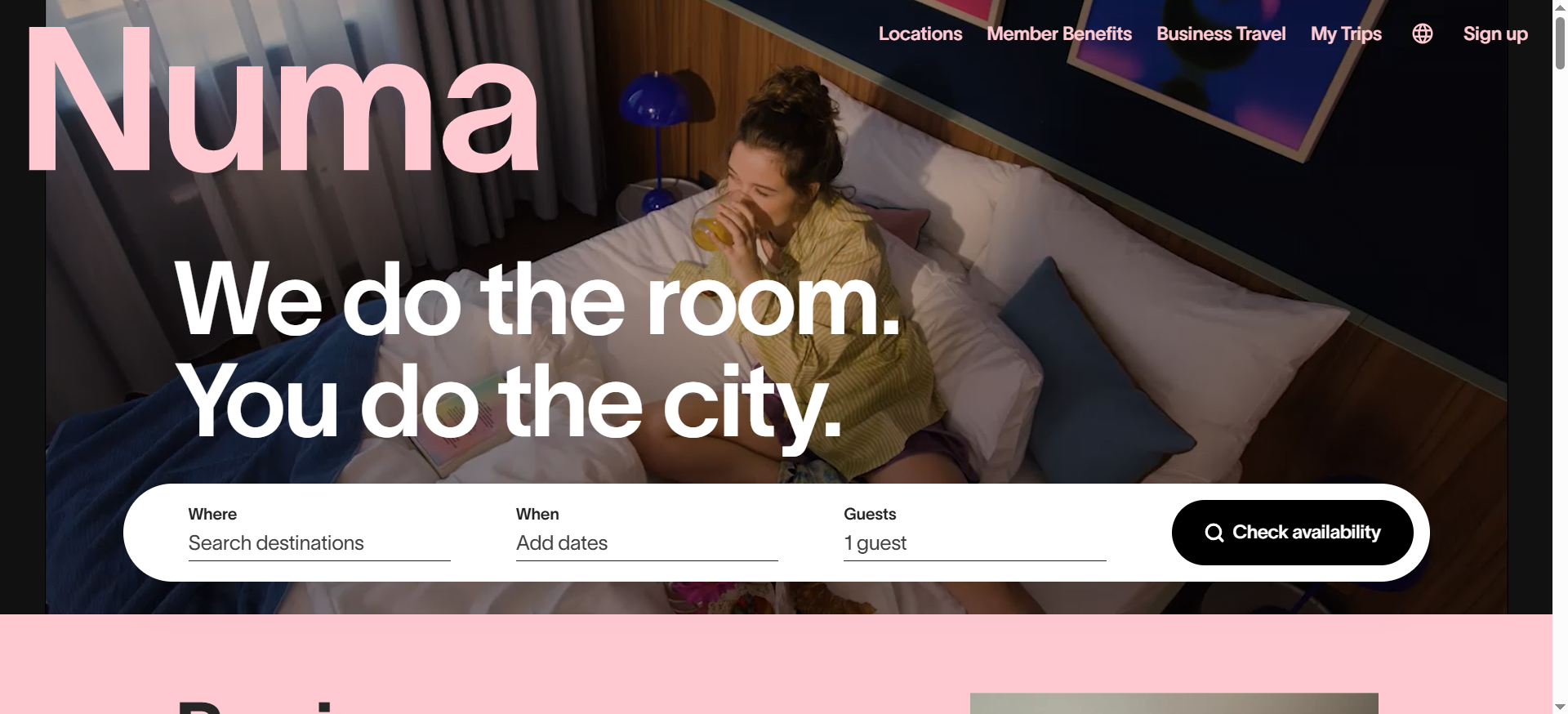
Numa is an AI communication platform that intercepts missed calls and automatically engages callers via SMS and voice. Originally built for automotive dealerships and service businesses, Numa's Voice AI answers inbound calls in under 2 seconds, schedules appointments, captures leads, and answers common questions 24/7. The platform also provides a Smart Inbox with sentiment analysis and prioritized customer messages, identifying revenue opportunities in conversations.
Why teams use it
Businesses choose Numa for its unique SMS-first recovery approach. Rather than trying to replace every phone call with AI, Numa intercepts missed calls and automatically texts the caller back, then handles the conversation via text. For high-volume service businesses that get slammed with calls during peak hours, this passive recovery model captures leads that would otherwise be lost. Numa is trusted by over 1,200 dealerships in the U.S. and Canada.
What it's good for
Numa excels at missed call rescue and voicemail recovery, SMS-based appointment booking and status updates, after-hours call handling, lead capture during peak volume periods, customer sentiment analysis and prioritization, multi-step customer request handling, and real-time satisfaction monitoring. Its Voice AI handles inbound calls and can schedule appointments and answer common questions when the business is closed.
When it's a good fit
Numa is best suited for service-oriented healthcare businesses like urgent care centers, dental offices, and specialty clinics where missed calls during peak hours are a significant revenue problem. It works well for practices that want to recover missed calls through SMS follow-up rather than relying solely on voice AI. If your practice model is similar to a service business with appointment-based revenue and high call volumes during specific hours, Numa's approach can capture patients you are currently losing.
When it's not a good fit
Numa is not purpose-built for healthcare and lacks native HIPAA compliance features, EHR integrations, and medical-specific workflows that platforms like CloudTalk, Leaping AI, and Brilo AI offer. Its core integrations are with dealer management systems (CDK Global, DealerSocket) rather than healthcare platforms. If you need structured patient intake, insurance verification, or clinical FAQ handling, Numa does not offer these capabilities. Healthcare organizations handling protected health information should carefully evaluate compliance before deploying.
How to use it
Contact Numa's sales team to request a demo and pricing. The platform is configured for your business during onboarding, including setting up call handling rules, SMS response templates, and appointment scheduling workflows. Numa's team handles integration with your existing communication systems. The platform is primarily available through a sales-led process rather than self-service signup.
Key capabilities
Numa's capabilities include Voice AI that answers inbound calls in under 2 seconds, automated missed call-to-SMS recovery, appointment scheduling via voice and text, Smart Inbox with sentiment analysis, revenue opportunity identification in conversations, after-hours call coverage, multi-step customer request handling, real-time customer satisfaction monitoring, and integration with business management systems.
Pricing
Numa uses custom enterprise pricing and does not publish rates. Industry reports estimate costs in the $200-400+/month range as a starting point, with additional features, integrations, and higher call volumes pushing costs higher. You must request a demo and go through sales for specific pricing.
Free tier?
No. Numa does not offer a free plan or self-service trial. All access requires going through the sales process and a demo.
Downsides / limitations
Numa was built for automotive dealerships and service businesses, not healthcare. It lacks native HIPAA compliance documentation, BAA support, and healthcare-specific EHR integrations. There are no patient intake workflows, insurance verification features, or clinical FAQ capabilities. The SMS-first approach may not suit all healthcare communication needs, particularly for sensitive medical conversations. Pricing is opaque and requires sales engagement. The platform's healthcare application is limited compared to purpose-built medical voice AI platforms.
What Is an AI Voice Agent for Healthcare?
An AI voice agent for healthcare is an automated phone system powered by natural language processing and generative AI that conducts real conversations with patients over the phone. Unlike traditional IVR systems that force callers through rigid menu trees ("Press 1 for scheduling, Press 2 for billing"), AI voice agents understand spoken language, interpret patient intent, and complete tasks like appointment booking, intake data collection, and insurance verification autonomously.
These agents use large language models trained on medical terminology and healthcare workflows to handle conversations that previously required a human receptionist or call center agent. They can ask follow-up questions, clarify ambiguous requests, check real-time provider availability, and hand off to human staff when the situation requires clinical judgment.
The healthcare voice AI market is growing rapidly, valued at $650.65 million in 2026 and projected to reach $11.7 billion by 2035 at a compound annual growth rate of 37.85%. This growth is driven by staffing shortages, rising patient expectations for instant service, and the proven ROI of automating routine call handling.
How Do AI Voice Agents Handle Patient Intake Calls?
AI voice agents automate patient intake by conducting structured conversations that collect the same information a front-desk employee would gather. When a new patient calls, the agent identifies the call purpose, asks a series of intake questions (demographics, insurance information, medical history highlights, reason for visit), and records the structured data directly into the practice's EHR or CRM.
The process typically works like this: the AI greets the caller naturally, determines they are a new patient, and begins collecting required information in a conversational tone. It confirms spellings of names and addresses, captures insurance ID numbers, asks about the reason for the visit, and checks provider availability. Once complete, the agent books the appointment, creates a patient record in the EHR, and sends a confirmation to the patient via SMS or email.
Advanced platforms like CloudTalk and Brilo AI can perform multi-step medical history intake autonomously, creating structured patient files during the call rather than requiring manual data entry afterward. This eliminates the gap between call and record creation that causes errors and delays in traditional workflows.
What Makes a Voice AI Platform HIPAA Compliant?
HIPAA compliance for AI voice agents requires several specific technical and legal safeguards. The most critical is a signed Business Associate Agreement (BAA) between your practice and the voice AI vendor. Without a BAA, using any AI tool to handle conversations containing protected health information (PHI) is a compliance violation regardless of the vendor's technical security measures.
Beyond the BAA, a truly HIPAA-compliant voice AI platform must encrypt all data in transit using TLS and at rest using AES-256 encryption. It must maintain access controls so only authorized personnel can access patient data, keep audit logs of all system access and data interactions, implement breach notification procedures (typically 24-48 hours), and have clear data retention and destruction policies.
SOC 2 Type II certification is another important trust signal, demonstrating that the vendor maintains robust internal controls for security, availability, processing integrity, confidentiality, and privacy over a sustained period. Among the platforms in this guide, Thoughtly holds SOC 2 Type II certification, CloudTalk offers full BAA support with enterprise-grade encryption, and Leaping AI and Brilo AI advertise HIPAA compliance for healthcare deployments.
Can AI Voice Agents Integrate with EHR Systems?
Yes, and this is one of the most important evaluation criteria when choosing a healthcare voice AI platform. EHR integration determines whether the AI agent can access real-time scheduling data, create patient records automatically, and update existing records with call outcomes - or whether your staff still needs to manually transfer information.
The strongest integrations work bidirectionally: the AI reads provider availability and patient history from the EHR, and writes new appointments, intake data, and call notes back into the system. Among the platforms reviewed here, Leaping AI integrates with Epic, NextGen, Athenahealth, and Cerner. Brilo AI connects with Epic, Athenahealth, and Kareo. CloudTalk integrates with major CRMs and EHR systems through its platform.
Practices should ask vendors specifically about the depth of their EHR integration. Some platforms offer real-time, API-level connections that allow the AI to book appointments and create records autonomously. Others offer one-way data exports or require middleware to connect. The difference between these approaches directly impacts how much manual work your staff still needs to do after the AI handles a call.
How Much Do AI Voice Agents Cost for Healthcare?
Pricing for healthcare AI voice agents varies significantly based on the platform's target market and feature set. Here is a breakdown of current pricing across the five platforms reviewed:
Brilo AI is the most accessible, starting with a free plan (10 minutes/month) and paid plans from $49/month for 160 minutes. At the Pro tier ($149/month for 600 minutes), additional minutes cost $0.16/minute. Thoughtly also offers a free plan, with paid pricing available through their sales team. CloudTalk's base call center platform starts at $25/user/month, with the AI voice agent adding $350/month for 1,000 minutes and $0.50/minute on-demand usage. Leaping AI and Numa both use custom enterprise pricing, with Leaping AI estimated to start around $2,500/month and Numa around $200-400+/month.
When calculating total cost, factor in your monthly call volume, average call duration (healthcare calls typically run 3-5 minutes), the number of users who need platform access, and any EHR integration fees. A practice handling 500 patient calls per month at 4 minutes average would need 2,000 minutes, which would cost approximately $499/month on Brilo AI's Growth plan or roughly $1,000/month on CloudTalk's AI agent pricing.
Do AI Voice Agents Reduce Patient No-Shows?
Yes, and the data is compelling. Peer-reviewed research across 135,393 appointments shows AI voice agents reduce no-show rates by 50.7%. In practice, healthcare organizations report no-show reductions ranging from 30% to 80% depending on the implementation.
AI voice agents reduce no-shows through several mechanisms. They send automated appointment reminders via voice call and SMS at optimal intervals before the appointment. They make it easy for patients to reschedule rather than simply not showing up. They confirm appointments in real time during the initial booking call. And they follow up with patients who have not confirmed, giving them a chance to cancel or reschedule.
The ROI on no-show reduction is straightforward. If a missed appointment costs your practice $200 in lost revenue, and the AI recovers even 10 appointments per month, that is $2,000 in recovered revenue against a voice AI cost of $150-500/month depending on the platform. Most organizations see measurable ROI within 6 to 12 months of deploying voice AI for appointment management.
What Is the Difference Between AI Voice Agents and IVR Systems?
Traditional IVR (Interactive Voice Response) systems use pre-recorded menus and touch-tone inputs to route callers. They are rigid, frustrating, and limited to the specific options programmed into the menu tree. If a patient's request does not match a menu option, they get stuck or transferred to a human agent.
AI voice agents use natural language understanding to conduct actual conversations. They interpret what the caller says in their own words, ask clarifying questions, handle multi-step requests, and complete tasks autonomously. A patient can say "I need to reschedule my Thursday appointment with Dr. Smith to sometime next week" and the AI will understand the request, check availability, offer alternatives, and confirm the change - all in one natural conversation.
The practical difference is significant. IVR systems handle call routing and basic self-service. AI voice agents handle the actual work that a human receptionist would do: scheduling, intake, insurance queries, and follow-ups. Healthcare practices that switch from IVR to AI voice agents typically see higher call completion rates, shorter average handle times, and improved patient satisfaction because callers get their needs met immediately rather than navigating menus and waiting for transfers.
How Do Healthcare Practices Implement AI Voice Agents?
Implementation typically follows a phased approach. Start by identifying your highest-volume, most repetitive call types - usually appointment scheduling, appointment reminders, and general inquiries. These are the workflows where AI voice agents deliver the fastest ROI.
Next, select a platform that matches your technical requirements: EHR compatibility, HIPAA compliance, call volume capacity, and budget. Configure the AI agent with your practice's scheduling rules, provider availability, common FAQ responses, and escalation protocols. Most platforms offer healthcare-specific templates that cover 80% of standard workflows out of the box.
Run a pilot with one department or location before full deployment. Monitor call quality, patient satisfaction, appointment conversion rates, and escalation frequency during the pilot. Refine the AI's conversation flows based on real call data. Once performance meets your benchmarks, expand to additional departments or locations. Vendors report that implementation takes weeks rather than months, with no upfront infrastructure costs for cloud-based platforms.
Are AI Voice Agents Safe for Handling Patient Data?
When properly implemented with a HIPAA-compliant platform, AI voice agents are as safe as - and in some ways safer than - human agents for handling patient data. AI systems apply encryption, access controls, and audit logging consistently across every interaction, whereas human agents may make mistakes with paper records, unsecured phone lines, or verbal disclosures.
The key safeguards to verify include end-to-end encryption for all voice data in transit and at rest, a signed BAA with the vendor, access controls that restrict data visibility to authorized personnel, comprehensive audit logs for all data access and interactions, zero-day retention agreements with underlying AI model providers (ensuring patient conversations are not used for model training), and clear data destruction policies when the contract ends.
Practices should also evaluate where the vendor stores data geographically, whether they use third-party sub-processors (and if those sub-processors also have BAAs), and how they handle data breach notifications. The safest platforms offer zero data retention with their AI model providers, meaning patient conversations are processed for the immediate interaction and not stored or used for any other purpose.
Can AI Voice Agents Handle Insurance Verification?
Yes, several platforms now offer real-time insurance verification as part of the voice AI workflow. CloudTalk's CeTe agent can check insurance eligibility mid-call with encrypted, compliant data handling. Leaping AI supports insurance verification and coverage confirmation as part of its medical practice workflows. Brilo AI handles insurance inquiries and connects the verification data to EHR records.
The typical insurance verification flow works like this: the AI agent collects the patient's insurance information (carrier, member ID, group number) during intake or scheduling. It then checks eligibility against the carrier's database in real time, confirms coverage for the requested service or provider, and communicates the result to the patient during the same call. If verification fails or requires manual review, the agent flags it for staff follow-up.
This capability is particularly valuable for specialist practices where insurance pre-authorization is required. Automating the initial verification step saves front-desk staff significant time and reduces the number of appointments that need to be rescheduled due to coverage issues discovered at check-in.
What Are the Limitations of AI Voice Agents in Healthcare?
Despite their capabilities, AI voice agents have clear limitations in healthcare settings. They cannot replace clinical judgment - any call that involves medical advice, symptom assessment beyond basic triage, or urgent care decisions must be escalated to human staff. The best platforms build escalation protocols into their workflows, but practices need to define these boundaries clearly during setup.
Complex insurance scenarios, particularly appeals or prior authorization disputes, often exceed what current AI agents can handle autonomously. Multi-party calls involving interpreters, family members, or referring providers add complexity that most platforms do not yet manage well. Patients with strong accents, speech impediments, or cognitive difficulties may have poor experiences with voice AI that is trained primarily on standard speech patterns.
There is also the trust factor. Some patients, particularly older demographics, may be uncomfortable speaking with an AI about their health. Practices should always provide a clear path to reach a human agent and be transparent about the use of AI in their patient communication. The goal is to automate routine tasks so human staff can focus on complex and sensitive interactions, not to eliminate the human element from patient care.
How Do AI Voice Agents Improve Patient Experience?
AI voice agents improve patient experience primarily through availability and speed. When 40% of medical appointments are booked outside standard business hours, a 24/7 AI agent means patients can schedule, reschedule, or get answers to common questions at any time without waiting for the office to open. Every call is answered on the first ring with zero hold time.
Beyond availability, AI agents provide consistency. Every patient gets the same professional, thorough intake experience regardless of whether they call during a slow Tuesday morning or a hectic Monday afternoon. The AI does not rush through calls when the waiting room is full. It does not forget to ask a screening question. It does not put patients on hold to check something with a colleague.
The data supports this. Leaping AI reports 90%+ customer satisfaction scores across their voice AI deployments. Practices using AI voice agents see higher appointment conversion rates because fewer patients abandon the booking process due to hold times or voicemail. Automated confirmations and reminders keep patients informed and reduce anxiety about upcoming visits. And by freeing staff from routine phone work, practices can deliver more attentive, personal care during in-person visits.
Frequently Asked Questions
Brilo AI is the best option for small practices because of its free plan, affordable paid tiers starting at $149/month, and direct EHR integrations with Epic, Athenahealth, and Kareo. It provides full AI call handling without requiring technical expertise or enterprise budgets. Thoughtly is another strong option with a free plan if you prioritize the no-code visual builder for customization.
Not all of them. HIPAA compliance requires specific technical safeguards (encryption, access controls, audit logs) and a signed Business Associate Agreement (BAA) between your practice and the vendor. CloudTalk, Leaping AI, and Brilo AI advertise HIPAA compliance for healthcare deployments. Thoughtly holds SOC 2 Type II certification. Always verify BAA availability directly with the vendor before deploying with patient data.
Costs range from free (Brilo AI and Thoughtly offer limited free plans) to custom enterprise pricing for platforms like Leaping AI. Mid-range options include Brilo AI at $49-499/month and CloudTalk at $350/month for the AI agent plus per-user call center fees. Most practices should budget $150-500/month for a solution that handles moderate call volumes.
Yes, if you choose a platform with native EHR integration. Brilo AI integrates with Epic, Athenahealth, and Kareo. Leaping AI connects with Epic, NextGen, Athenahealth, and Cerner. CloudTalk integrates with major CRMs and EHR systems. The AI checks real-time provider availability and books appointments directly in your system without manual data entry.
Most platforms use highly natural, human-sounding voices that can be difficult to distinguish from human agents. However, healthcare regulations in many jurisdictions require disclosure that the caller is speaking with an AI system. Best practice is to include a brief disclosure at the start of the call. Patients generally accept AI interactions for routine tasks like scheduling and intake, particularly when the alternative is voicemail or long hold times.
Most cloud-based platforms can be deployed within 1-4 weeks depending on complexity. Self-service platforms like Brilo AI and Thoughtly can be configured in days. Enterprise solutions like Leaping AI and CloudTalk typically take 2-4 weeks including EHR integration, workflow customization, and testing. No on-premises infrastructure is required for any of the platforms reviewed.
All reputable platforms include live agent handoff capabilities. When the AI encounters a request beyond its scope - a complex insurance question, a medical concern requiring clinical judgment, or a frustrated caller - it transfers the call to a human agent with full context of the conversation so far. The patient does not need to repeat information. Practices define escalation rules during setup to control when and how handoffs occur.